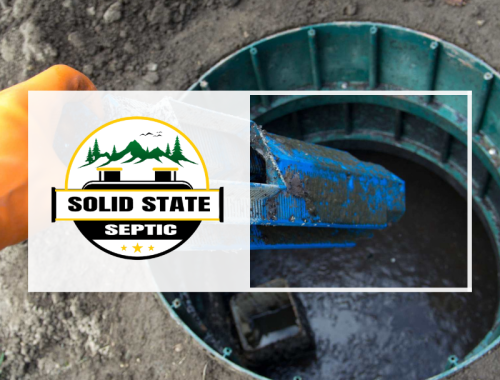
Regular septic maintenance is essential for San Diego County homeowners to prevent expensive repairs, protect property value, and safeguard local groundwater and coastal environments. San Diego County’s diverse terrain—from coastal sedimentary basins and clay-heavy soils to inland rocky slopes and variable percolation rates—requires tailored care to keep systems compliant and long-lasting. Solid State Septic provides expert services and practical guidance to help you maintain your onsite wastewater treatment system (OWTS) under the County’s Local Agency Management Program (LAMP) and Department of Environmental Health and Quality (DEHQ) standards.
A septic system consists of a septic tank (where solids settle) and a drainfield (or leach lines/seepage pits) for effluent filtration through soil. Without proper maintenance, solids can accumulate, clog pipes, or overflow into the drainfield, leading to backups, surfacing effluent, or groundwater contamination—a serious concern in San Diego due to strict water quality protections from the Regional Water Quality Control Board.
DEHQ guidelines recommend pumping septic tanks every 3–5 years, depending on household size, usage, and system type. For a typical family of four in a 1,000-gallon tank, Solid State Septic advises pumping approximately every 2.5–3 years to prevent sludge buildup, especially in areas with slower-percolating clay soils or high seasonal water tables.
Annual professional inspections are crucial in San Diego’s varied conditions. Our technicians check for issues like cracked baffles, clogged effluent filters, soil compaction around the drainfield (common from vehicles or equipment), or signs of high groundwater intrusion—ensuring compliance with DEHQ requirements, including at least 5 feet of unsaturated soil separation to the highest anticipated groundwater level. Inspections are especially important before winter rainy seasons, when heavy storms can saturate soils and overwhelm under-maintained systems on sloped or impermeable sites.
Homeowners play a key role in daily care:
- Conserve water with low-flow fixtures and quick leak fixes to reduce hydraulic overload on the drainfield—critical in areas with high groundwater or poor percolation.
- Only flush toilet paper and human waste; avoid “flushable” wipes, feminine products, cotton balls, grease, or chemicals (bleach, pesticides, oil) that kill beneficial bacteria or clog pipes.
- Minimize non-degradable items and excessive food waste down the drain to prevent solids overload.
- Protect the drainfield area: No parking, heavy equipment, or structures over leach lines to avoid compaction, a frequent issue in San Diego properties.
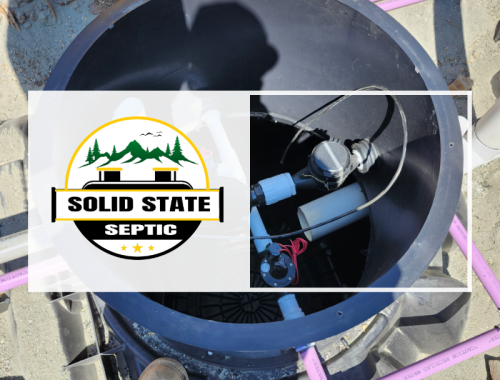
Effluent filters (installed on the tank outlet) trap solids before they reach the drainfield and are highly recommended in San Diego County. Solid State Septic includes annual filter cleaning in our maintenance packages to prevent clogs and extend system life. For alternative or supplemental treatment systems (common on challenging sites with slopes >25% or poor percolation), regular monitoring of pumps, filters, and components ensures efficiency and DEHQ compliance.
Neglecting maintenance can result in system failure, with repair or replacement costs ranging from $5,000 to $20,000+ (higher in San Diego due to permitting, soil testing, and environmental requirements). Failures risk contaminating groundwater or nearby water bodies, violating Regional Water Quality Control Board standards. Solid State Septic offers 24/7 emergency response for backups or overflows, minimizing damage and helping restore compliance quickly.
Routine care keeps your system reliable, compliant with San Diego County’s OWTS ordinances, and environmentally responsible—saving you significant long-term expenses.
Resources for San Diego County Homeowners:
- County of San Diego Department of Environmental Health and Quality (DEHQ), Septic Systems: https://www.sandiegocounty.gov/content/sdc/deh/lwqd/lu_septic_systems.html
- DEHQ Local Agency Management Program (LAMP) Details & FAQs: Check the official site for the latest (updated 2025).
- EPA Guide to Septic System Care (national best practices): https://www.epa.gov/septic/how-care-your-septic-system
- Regional Water Quality Control Board, San Diego Region: For water quality and OWTS policy info.
Contact Solid State Septic today for a professional inspection or pumping in San Diego County—we’re here to help keep your system running smoothly in our unique local conditions.