Need Emergency Help?

solid state septic

Service Areas

Solid State Septic serves San Diego County properties that are not on municipal sewer. From Ramona and Fallbrook through Escondido, Valley Center, Julian, Alpine, Lakeside, Bonsall, Pala, and Jamul, we pump, inspect, repair, and install onsite systems under California C-42 licensing and DEHQ rules. If the lot has a tank and a drainfield, that is our service area.

Ramona

Rural granite lots and older tanks make Ramona a core service area for pumping, repairs, and permitted replacements.

Fallbrook

Steep avocado hills and decomposed granite in Fallbrook often need custom layouts instead of a standard gravity field.

Escondido

We service septic properties on the outskirts of Escondido where the sewer line stops and county OWTS rules still apply.

Valley Center

Large lots, wells, and mixed soils in Valley Center require careful setbacks and correctly sized tanks and drainfields.

Julian

Mountain parcels in Julian face shallow soil, rock, and tight sites that frequently need more than a conventional leach field.

Alpine

East-county granite and slope in Alpine are common reasons we replace failing fields and pull DEHQ permits for new systems.

Lakeside

Alluvial ground and higher groundwater in Lakeside can limit drainfield options and make timely pumping and inspection essential.

Bonsall

Agricultural and residential acreage in Bonsall still runs on septic, including older tanks that need pumping, repair, or replacement.

Pala / Pala Mesa

Unincorporated Pala/Pala Mesa properties are typically off sewer, with rock, grade, and well setbacks driving the design.

Jamul

Jamul’s rural SR-94 corridor is septic country—sloped granite lots that need permitted installation, repair, and routine pumping.

Our Services

Septic Tank Cleaning

Solid State Septic offers  septic tank cleaning services to ensure your system is functioning optimally. 

Septic Pumping

We efficiently extract accumulated liquid waste, settled sludge, and floating scum from your septic tank.

Permitting

Securing a septic permit is a crucial step in ensuring the safe and legal installation of your septic system. This

Inspections

Regular septic inspections are essential for maintaining the health and efficiency of your septic system.

Site Engineering

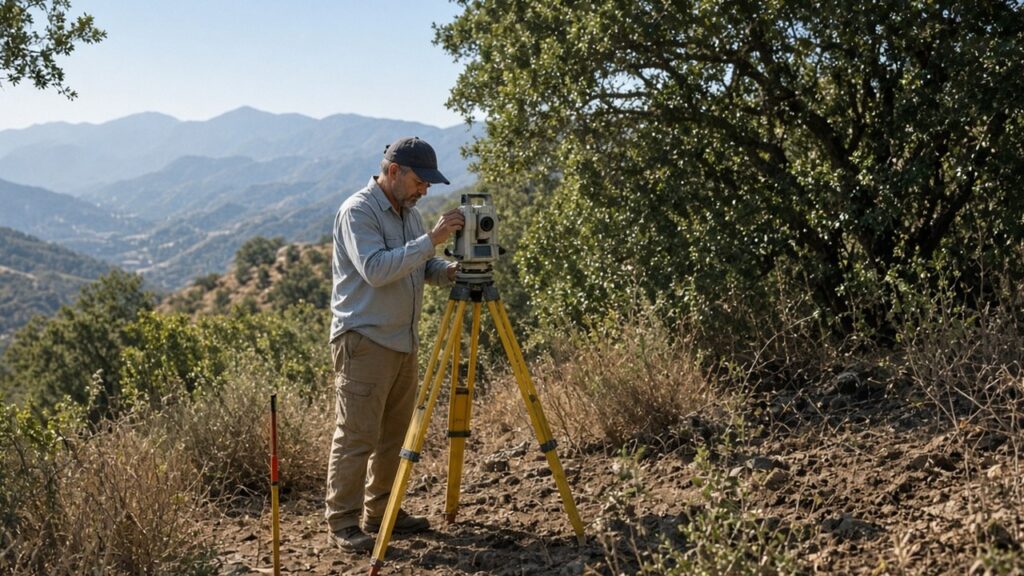
Solid State Septic offers  engineering services, ensuring each septic system is custom-designed

Repairs

Septic repairs are vital to restoring the functionality and performance of your septic system when issues arise.

System Design

We assess each site with precision, considering factors such as soil type, water table levels, and local environmental regulations.

Installation

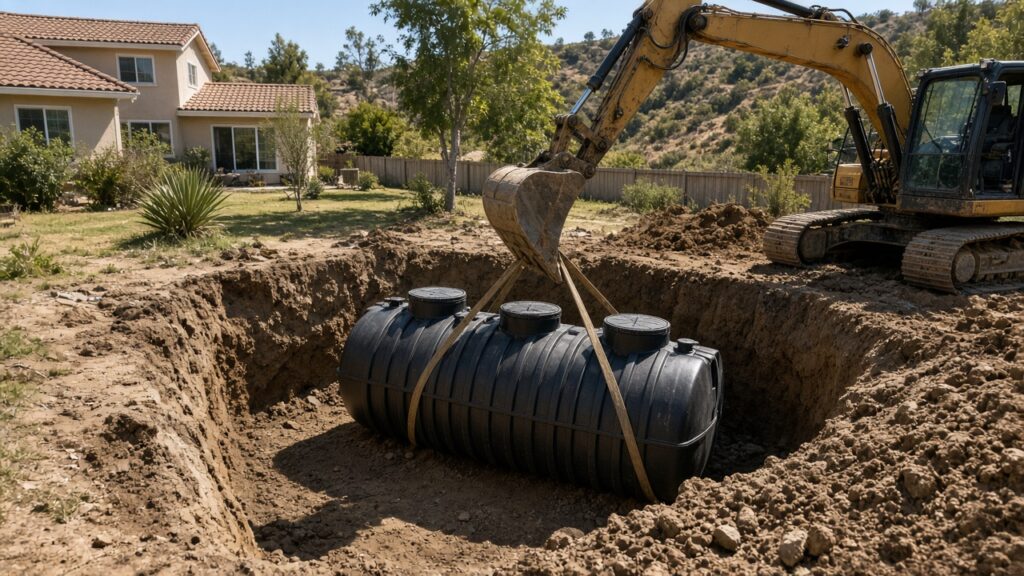
Septic installation is a critical process to ensure placement and setup of a septic system for effective wastewater management.

Drainage Solutions

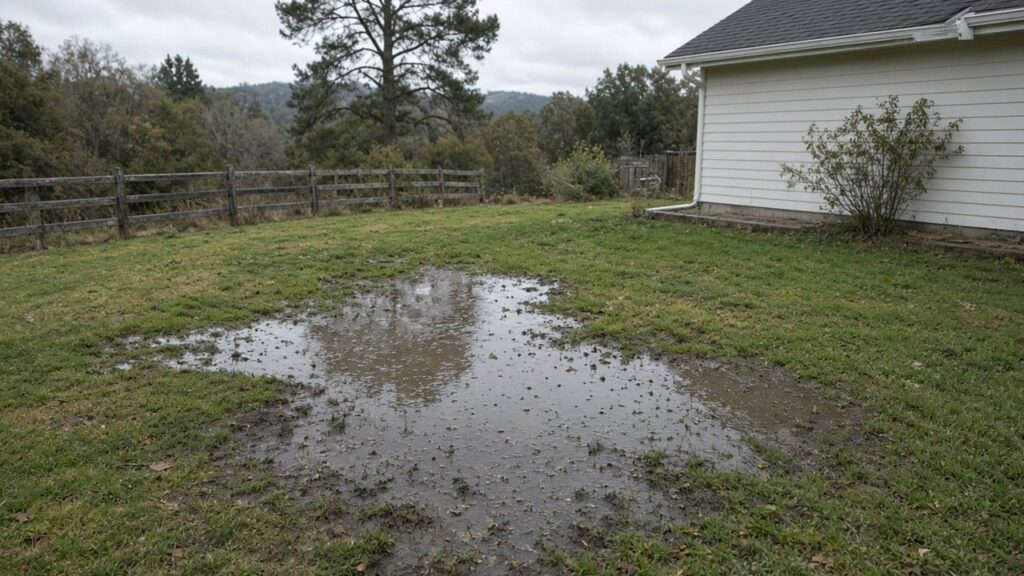
Choosing Solid State Septic for your drainage solutions ensures you receive expert guidance and services tailored to your property’s unique requirements.

Recent News

Frequently asked questions

Yes. New installations, replacements, and most major repairs require a permit from the county environmental health department. San Diego County DEHQ issues OWTS installation and repair permits.

Capacity is set by local code and the California Plumbing Code, typically by bedroom count or fixture units, whichever is greater. Many California jurisdictions use a 1,500-gallon minimum for modest residences. Final size is confirmed during design.

Most occupied homes should pump every three to five years. Larger households, garbage disposals, and older undersized tanks may need shorter intervals.

Often yes, if the existing OWTS has unused capacity or if the system is upgraded and permitted. The local health officer must approve the additional flow before the building department issues the ADU permit.

Onsite wastewater treatment system—the regulatory term California uses for septic systems and alternative treatment units that treat wastewater on the same property.