Need Emergency Help?

Your Number 2 is Our Number 1!

Solid State Septic

At Solid State, we’re more than a septic company — we’re your trusted partner across San Diego County. Whether it’s new installations, repairs, or maintenance, we provide top-quality service with a strong commitment to our local homes and businesses.

Septic Repair

We repair cracked or leaking tanks, failed distribution boxes, crushed laterals, clogged effluent filters, and failing leach lines.

Septic Installation

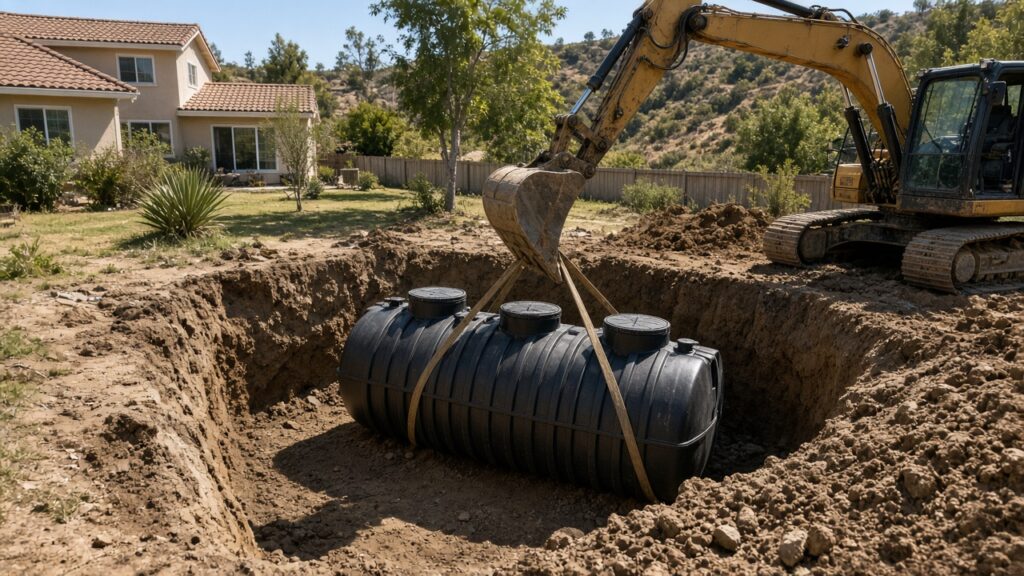
We install IAPMO-approved tanks and approved dispersal systems, set risers to grade, connect inlet and outlet plumbing, and construct the drainfield or supplemental treatment unit to the approved plan.

Septic Inspection

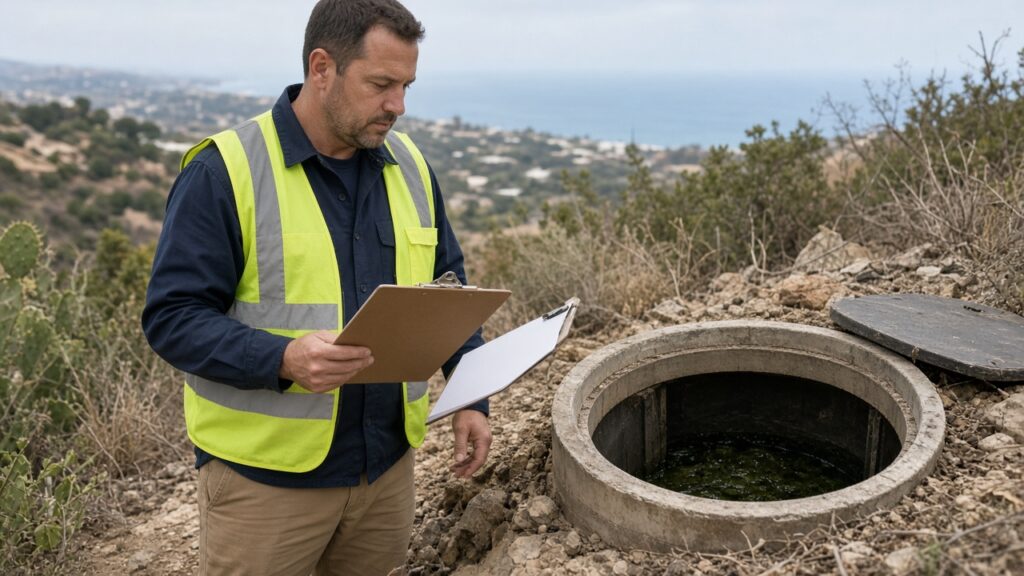
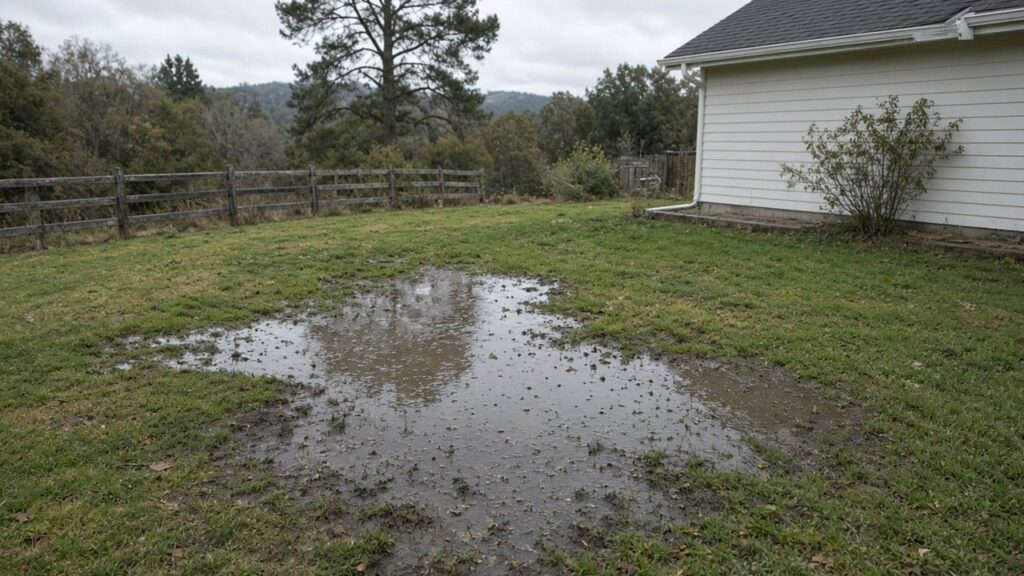
Pre-purchase, real-estate, and maintenance inspections cover tank condition, baffles and effluent filters, liquid levels, evidence of surfacing effluent, and drainfield performance.

Why Solid State Septic

Why California properties need a local OWTS contractor

More than one million California properties rely on septic systems.

New installations, replacements, and major repairs require a county permit. Statewide design standards come from the State Water Resources Control Board OWTS Policy. Each county applies those rules through its Local Agency Management Program (LAMP).

More than one million California properties rely on septic systems.

Our Services

Solid State Septic manages the process from the first site visit through final inspection.

A conventional tank and leach field is not always allowed. Engineered or supplemental treatment is often required when a site has:

Slopes greater than 25 percent

Steep lots increase the risk of effluent surfacing and slope failure. DEHQ typically requires a stability statement and an engineered or alternative dispersal design instead of a standard gravity field.

Limited soil depth

When usable soil over rock or hardpan is too shallow, a conventional leach field cannot provide enough treatment. The system must be raised, shortened, or paired with supplemental treatment.

High Groundwater

If the water table sits close to the drainfield, effluent can reach groundwater before it is treated. Extra vertical separation, a mound, or an advanced treatment unit is often required.

Sensitive habitat

Sites near creeks, wetlands, vernal pools, or protected habitat face stricter setbacks and discharge limits. Supplemental treatment is used to protect water quality and meet county and state OWTS rules.

Septic Tank Cleaning

Solid State Septic offers  septic tank cleaning services to ensure your system is functioning optimally. 

Septic Pumping

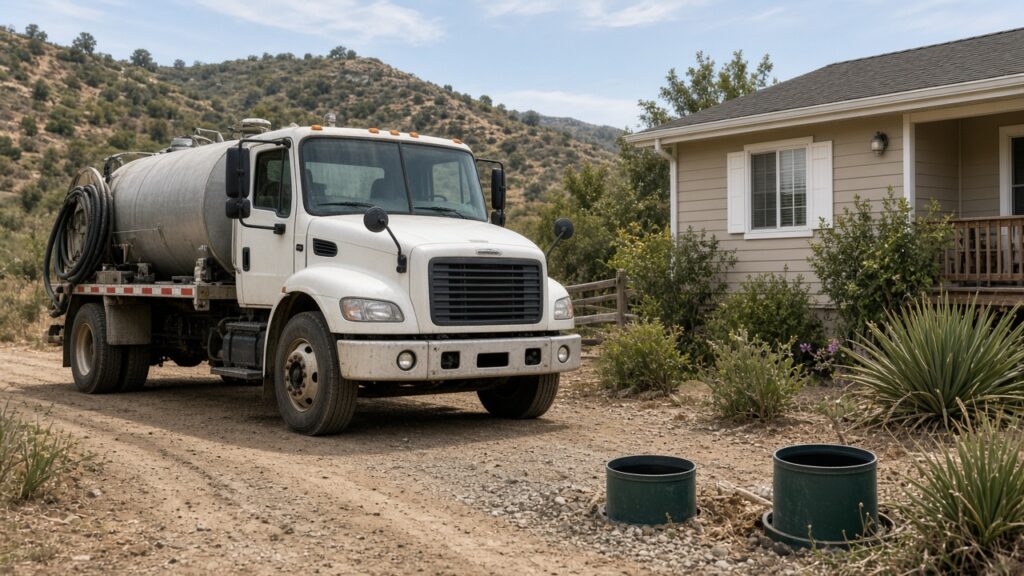
We efficiently extract accumulated liquid waste, settled sludge, and floating scum from your septic tank.

Permitting

Securing a septic permit is a crucial step in ensuring the safe and legal installation of your septic system. This

Inspections

Regular septic inspections are essential for maintaining the health and efficiency of your septic system.

Site Engineering

Solid State Septic offers  engineering services, ensuring each septic system is custom-designed

Repairs

Septic repairs are vital to restoring the functionality and performance of your septic system when issues arise.

System Design

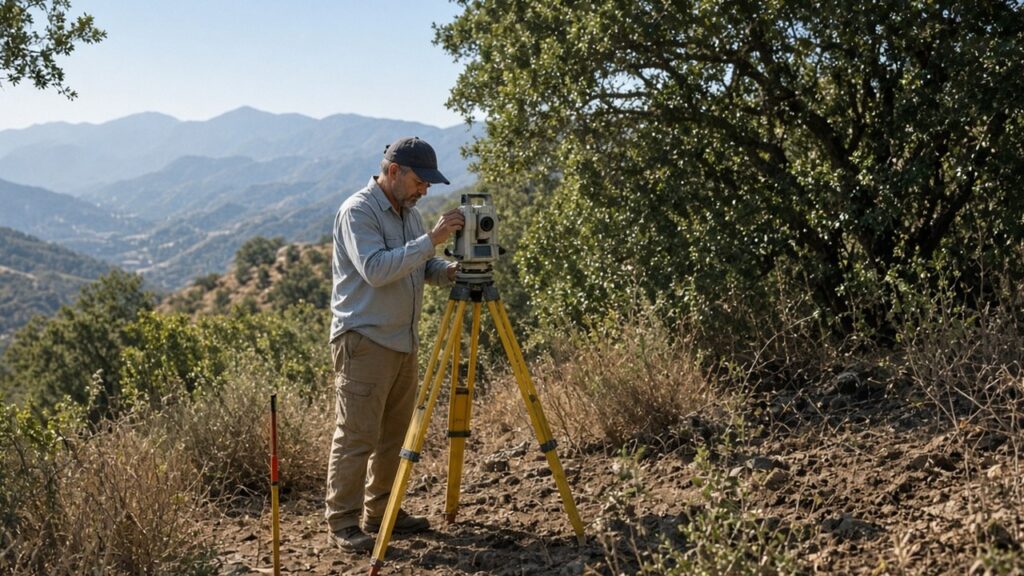
We assess each site with precision, considering factors such as soil type, water table levels, and local environmental regulations.

Installation

Septic installation is a critical process to ensure placement and setup of a septic system for effective wastewater management.

Drainage Solutions

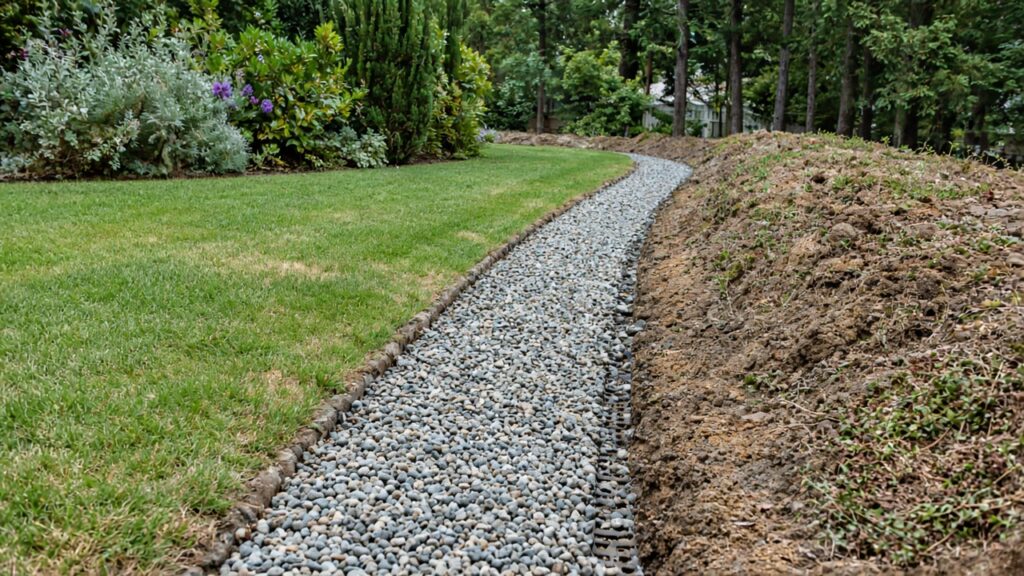
Choosing Solid State Septic for your drainage solutions ensures you receive expert guidance and services tailored to your property’s unique requirements.

Client Testimonials

Recent News

Frequently asked questions

Yes. New installations, replacements, and most major repairs require a permit from the county environmental health department. San Diego County DEHQ issues OWTS installation and repair permits.

Capacity is set by local code and the California Plumbing Code, typically by bedroom count or fixture units, whichever is greater. Many California jurisdictions use a 1,500-gallon minimum for modest residences. Final size is confirmed during design.

Most occupied homes should pump every three to five years. Larger households, garbage disposals, and older undersized tanks may need shorter intervals.

Often yes, if the existing OWTS has unused capacity or if the system is upgraded and permitted. The local health officer must approve the additional flow before the building department issues the ADU permit.

Onsite wastewater treatment system—the regulatory term California uses for septic systems and alternative treatment units that treat wastewater on the same property.