When selling a home in San Diego County that relies on a septic system (also known as an Onsite Wastewater Treatment System or OWTS), one often-overlooked but potentially deal-breaking requirement is septic certification or a comparable inspection. This step verifies the system’s condition and compliance, and it’s frequently mandated by lenders, buyers, title companies, or escrow processes to ensure the property can transfer smoothly.
While California state law does not impose a universal mandatory point-of-sale septic inspection or certification for all transfers of property, many real estate transactions in San Diego County effectively require it. Lenders (especially for FHA, VA, or conventional loans), buyers seeking assurance, or escrow practices often demand proof that the septic system is functional and compliant with local regulations enforced by the County of San Diego Department of Environmental Health and Quality (DEHQ). Skipping this can lead to delayed closings, renegotiations, repair demands, or even deal fallout.
What Is a Septic Certification?
A septic certification is a professional inspection and documentation process that assesses whether an existing septic system is operating properly, structurally sound, and compliant with current standards. It typically results in one of two outcomes:
- Pass — The system meets requirements, allowing the sale to proceed without major issues.
- Fail — Problems are identified, requiring repairs, upgrades, or further evaluation before closing.
The distinction from new system permitting or major repairs, which involve DEHQ approvals under the county’s Local Agency Management Program (LAMP) and state OWTS Policy guidelines.
What Typically Occurs During a Professional Septic Inspection for Real Estate Transactions?
Inspections for property sales are performed by qualified, licensed professionals (often C-42 licensed contractors or DEHQ-registered inspectors). A thorough process goes beyond a superficial check and usually includes:
- Visual and Structural Assessment Examination of the septic tank’s exterior and accessible components, including baffles (to separate solids and liquids), lids (for integrity and secure sealing), risers, and overall condition to identify cracks, leaks, or deterioration.
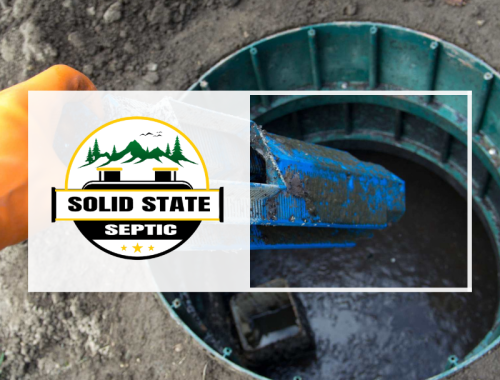
- Tank Pumping and Interior Inspection (Often Mandatory) The tank is pumped to allow entry and inspection of interior baffles, walls, floor, and accumulated scum/sludge levels. This reveals hidden issues like structural damage, excessive buildup, or improper function that could indicate impending failure.
- Hydraulic Load or Stress Testing Water is introduced to simulate household usage, testing the leach field (dispersal area) for proper absorption. Signs of failure include backups, surfacing effluent, slow drainage, or pooling—common reasons systems fail certification.
- Record Verification with DEHQ Cross-checking the system’s as-built records against official county files to confirm permitted installation, accurate layout, no unauthorized modifications, and compliance with setbacks, groundwater separation (typically at least 5 feet to groundwater), and other criteria.
- Additional Checks (as Needed) Evaluation for compliance with current standards, such as setbacks from wells, property lines, slopes, or water bodies; signs of surfacing sewage; or issues tied to age, soil percolation rates, or household size.
Why Septic Certification Is Critical for Sellers in San Diego County
Septic systems represent a major uncertainty for buyers—unlike public sewer connections, they are private, maintenance-dependent, and can cost thousands to repair or replace. A passing Sertification offers multiple benefits:
- Builds Buyer Confidence — Demonstrates transparency and reduces perceived risk.
- Minimizes Negotiation Leverage — Buyers are less likely to demand credits, price reductions, or contingencies for repairs.
- Speeds Up Closing — Avoids last-minute discoveries that could stall escrow.
- Supports Lender Approval — Many financing options require evidence of a functional system.
Conversely, an identified failure can trigger mandatory repairs (e.g., tank replacement, leach field expansion, or upgrades to meet modern standards), potentially costing $10,000–$50,000+ depending on severity.
Edge Cases and Nuances to Consider
- Older systems (pre-1980s) may not meet current separation or design standards but could be “grandfathered” if functioning—no automatic requirement to upgrade unless failing or during major property changes.
- Properties near impaired water bodies or in high-risk groundwater areas face stricter scrutiny under state policy.
- If the system serves multiple dwellings (e.g., ADU), additional sizing and separation rules apply.
- In rare cases, a “failing” status documented by DEHQ can qualify for expedited sewer connection if available.
Final Documentation and Next Steps
Upon passing, you’ll typically receive:
- A detailed inspection report.
- A formal certification letter or statement from the inspector.
- Supporting DEHQ-related records or compliance notes (if requested).
If issues arise, the report outlines required corrective actions, timelines, and potential DEHQ involvement for repairs.
Pro Tip for San Diego County Home Sellers Schedule a septic inspection and certification before listing your property. This proactive approach uncovers problems early, allows time for repairs on your terms, prevents escrow delays, and positions you as a prepared seller. Waiting until escrow often leads to rushed decisions and higher costs.
For official details on regulations, permitting, and records, consult these key resources:
- County of San Diego Department of Environmental Health and Quality – Septic Systems Overview
- DEHQ Frequently Asked Questions on Septic Systems
- State Water Resources Control Board – Onsite Wastewater Treatment Systems (OWTS) Policy