Need Emergency Help?

Septic Tips & Guides

Septic service truck and technician at a residential property

10 Essential Tips to Extend the Life of Your Septic Tank

A septic tank is a crucial part of a home’s wastewater system, and proper maintenance can significantly extend its lifespan. The average septic system lasts between 15 and 40 years, but neglect can lead to costly repairs or even premature replacement. Here are ten essential tips to keep your septic tank functioning efficiently for years to come. 1. Pump Your Tank Regularly The U.S. Environmental Protection Agency (EPA) recommends that homeowners pump their septic tank every three to five years, depending on usage and household size. Regular pumping prevents solids from accumulating and clogging the system. 2. Watch What You Flush Avoid flushing non-biodegradable items such as wipes, paper towels, feminine hygiene products, and grease. These materials can create blockages and disrupt the natural bacterial balance within the tank. 3. Use Water Efficiently Excessive water use can overwhelm your septic system. Simple changes like installing low-flow toilets and fixing leaks can help reduce strain on the tank, extending its lifespan. 4. Maintain Your Drainfield The drainfield is an essential part of your septic system. Avoid parking vehicles, planting trees, or placing heavy structures over the drainfield to prevent damage to pipes and soil compaction. 5. Avoid Harsh Chemicals Household chemicals like bleach, paint, and pesticides can kill beneficial bacteria in your septic tank. Instead, opt for septic-safe cleaning products. 6. Direct Rainwater Away from the Drainfield Excess water from roof drains or landscaping should be diverted away from the drainfield to prevent flooding and ensure proper wastewater treatment. 7. Schedule Routine Inspections A professional inspection every one to three years can identify potential issues before they become costly repairs. Early detection of leaks, blockages, or structural issues can extend the life of your septic system. 8. Use Septic-Safe Additives While most septic systems function fine without additives, some bacterial additives can help maintain the microbial balance in your tank, improving its efficiency. 9. Be Mindful of Garbage Disposal Use Frequent use of a garbage disposal can introduce excessive solids into the system, increasing the need for pumping. Composting food waste instead can reduce strain on your septic tank. 10. Know the Warning Signs Slow drains, sewage backups, foul odors, and pooling water near the drainfield are signs of a failing system. Addressing these issues promptly can prevent major damage and costly repairs. By following these tips, you can maximize the efficiency and longevity of your septic tank, saving thousands in repairs and ensuring a healthier home environment.

Read More »
septic maintenance 101 san diego homeowners guide to avoiding costly repairs

Septic Maintenance 101: San Diego Homeowners’ Guide to Avoiding Costly Repairs

Regular septic maintenance is essential for San Diego County homeowners to prevent expensive repairs, protect property value, and safeguard local groundwater and coastal environments. San Diego County’s diverse terrain—from coastal sedimentary basins and clay-heavy soils to inland rocky slopes and variable percolation rates—requires tailored care to keep systems compliant and long-lasting. Solid State Septic provides expert services and practical guidance to help you maintain your onsite wastewater treatment system (OWTS) under the County’s Local Agency Management Program (LAMP) and Department of Environmental Health and Quality (DEHQ) standards. A septic system consists of a septic tank (where solids settle) and a drainfield (or leach lines/seepage pits) for effluent filtration through soil. Without proper maintenance, solids can accumulate, clog pipes, or overflow into the drainfield, leading to backups, surfacing effluent, or groundwater contamination—a serious concern in San Diego due to strict water quality protections from the Regional Water Quality Control Board. DEHQ guidelines recommend pumping septic tanks every 3–5 years, depending on household size, usage, and system type. For a typical family of four in a 1,000-gallon tank, Solid State Septic advises pumping approximately every 2.5–3 years to prevent sludge buildup, especially in areas with slower-percolating clay soils or high seasonal water tables. Annual professional inspections are crucial in San Diego’s varied conditions. Our technicians check for issues like cracked baffles, clogged effluent filters, soil compaction around the drainfield (common from vehicles or equipment), or signs of high groundwater intrusion—ensuring compliance with DEHQ requirements, including at least 5 feet of unsaturated soil separation to the highest anticipated groundwater level. Inspections are especially important before winter rainy seasons, when heavy storms can saturate soils and overwhelm under-maintained systems on sloped or impermeable sites. Homeowners play a key role in daily care: Conserve water with low-flow fixtures and quick leak fixes to reduce hydraulic overload on the drainfield—critical in areas with high groundwater or poor percolation. Only flush toilet paper and human waste; avoid “flushable” wipes, feminine products, cotton balls, grease, or chemicals (bleach, pesticides, oil) that kill beneficial bacteria or clog pipes. Minimize non-degradable items and excessive food waste down the drain to prevent solids overload. Protect the drainfield area: No parking, heavy equipment, or structures over leach lines to avoid compaction, a frequent issue in San Diego properties. Effluent filters (installed on the tank outlet) trap solids before they reach the drainfield and are highly recommended in San Diego County. Solid State Septic includes annual filter cleaning in our maintenance packages to prevent clogs and extend system life. For alternative or supplemental treatment systems (common on challenging sites with slopes >25% or poor percolation), regular monitoring of pumps, filters, and components ensures efficiency and DEHQ compliance. Neglecting maintenance can result in system failure, with repair or replacement costs ranging from $5,000 to $20,000+ (higher in San Diego due to permitting, soil testing, and environmental requirements). Failures risk contaminating groundwater or nearby water bodies, violating Regional Water Quality Control Board standards. Solid State Septic offers 24/7 emergency response for backups or overflows, minimizing damage and helping restore compliance quickly. Routine care keeps your system reliable, compliant with San Diego County’s OWTS ordinances, and environmentally responsible—saving you significant long-term expenses. Resources for San Diego County Homeowners: County of San Diego Department of Environmental Health and Quality (DEHQ), Septic Systems: https://www.sandiegocounty.gov/content/sdc/deh/lwqd/lu_septic_systems.html DEHQ Local Agency Management Program (LAMP) Details & FAQs: Check the official site for the latest (updated 2025). EPA Guide to Septic System Care (national best practices): https://www.epa.gov/septic/how-care-your-septic-system Regional Water Quality Control Board, San Diego Region: For water quality and OWTS policy info. Contact Solid State Septic today for a professional inspection or pumping in San Diego County—we’re here to help keep your system running smoothly in our unique local conditions.

Read More »
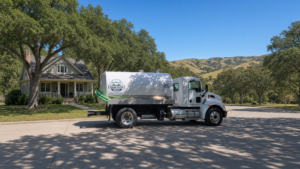
Septic pumping truck parked outside a California home

Why Septic Tank Pumping Is Essential in San Diego County’s Unique Terrain

Living in San Diego County means enjoying beautiful weather, rolling hills, and a wide variety of landscapes—from coastal zones to rocky inland properties. But while the scenery is stunning, the unique terrain also creates specific challenges for homeowners with septic systems. If you own a home or business with a septic tank in San Diego County, routine servicing and pumping isn’t just recommended—it’s essential. Here’s why. 1. San Diego’s Varied Soil Types Can Stress Your System From sandy soils near the coast to rocky and clay-heavy ground inland, San Diego County has a wide range of soil conditions. Poor drainage or compacted soil can cause backups, system overload, or even contamination if your septic system isn’t properly maintained. Regular pumping reduces the risk of overflow and gives your system a better chance of performing efficiently in tough soil conditions. 2. Hilly Terrain Increases Risk of Runoff and Saturation Many properties in San Diego are built on slopes or uneven ground. That makes water management especially important. A full or neglected septic tank can lead to wastewater surfacing in the drain field and running downhill—potentially damaging landscaping, contaminating water sources, or even affecting neighboring properties. Staying on top of septic pumping helps avoid these costly and unsanitary issues. 3. Dry Climate = Limited Natural Breakdown While the warm, dry weather is great for outdoor living, it can be tough on your septic system. Limited rainfall means less natural percolation in the drain field. This makes it even more important to avoid excess solid buildup in the tank that could block your system or overload your leach lines. 4. Environmental Protection San Diego County has strict environmental regulations to protect local groundwater and the ecosystem. An overflowing or leaking septic tank can quickly become an environmental hazard, resulting in fines and required emergency repairs. Regular service helps you stay compliant and protects the environment. 5. Prevention Saves You Money Replacing a septic system can cost thousands of dollars—and emergency repairs aren’t cheap either. Routine pumping (usually every 3–5 years depending on your household size and usage) is a small investment compared to the cost of a major system failure. Final Thoughts If you’re a San Diego County homeowner with a septic system, don’t wait for a problem to pop up. Regular pumping and inspections keep your system healthy, extend its lifespan, and help you avoid expensive surprises. Need help? Our experienced team understands the specific terrain and regulations of San Diego County. We’ll make sure your septic system is ready to handle whatever nature—and life—throws its way.

Read More »
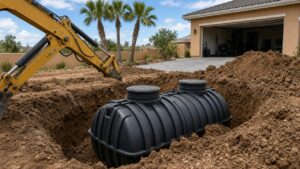
New septic tank installation at a residential property

Everything You Need to Know About Septic System Installations: FAQs Answered

Septic System Installation FAQs Answered Whether you’re building a new home in a rural area or replacing an old septic system, understanding the basics of septic installation is essential. To help you navigate the process, we’ve compiled some of the most frequently asked questions—and answers—about septic system installations. 1. What is a septic system and how does it work? A septic system is an underground wastewater treatment structure commonly used in areas without centralized sewer systems. It consists of a septic tank and a drainfield (or leach field). The tank collects wastewater from your home, separates solids from liquids, and allows bacteria to break down the waste. The remaining effluent is then released into the drainfield where it’s further treated by the soil. 2. How do I know if I need a septic system? You’ll need a septic system if your property isn’t connected to a municipal sewer line. This is common in rural or suburban areas. A local septic contractor or your city’s building department can confirm whether you’re on sewer or will need a septic setup. 3. How is a septic system installed? Here’s a high-level breakdown: Soil testing: A percolation (perc) test is conducted to determine how well your soil drains. Design: A licensed engineer or designer drafts a septic system plan based on property size, soil type, and usage. Permits: You’ll need approval from your local health or environmental department. Installation: A certified installer digs the trenches, sets the tank, lays the drainfield, and connects the system to your home. Inspection: Before backfilling, an inspector ensures everything is up to code. 4. How much does a septic system cost to install? Costs vary based on location, soil conditions, system size, and type (conventional vs. alternative systems), but here’s a general range: Basic conventional system: $10,000–$30,000 Alternative or engineered system: $20,000–$50,000+ Always get multiple estimates and ensure your installer is licensed and insured. 5. How long does a septic system installation take? Typically, a straightforward installation takes 5 to 7 days once permits are approved. However, delays can occur due to weather, soil conditions, or permit backlogs. Planning ahead helps avoid surprises. 6. Can I install a septic system myself? In most areas, DIY septic installation is not allowed. Health codes typically require installation by a licensed professional to ensure the system meets safety and environmental standards. 7. What factors affect the type of septic system I need? Several factors impact system type: Soil permeability Water table height Property size and slope Proximity to wells or water sources Local code requirements For instance, if your soil doesn’t drain well, you may need a mound system or an aerobic treatment unit. 8. Do I need to maintain my septic system? Absolutely! Routine maintenance extends your system’s lifespan and avoids costly repairs. Pump the tank every 3–5 years Limit water usage and avoid flushing non-biodegradable items Inspect regularly for leaks or odors Keep records of service and inspections 9. What permits are required for septic system installation? You’ll typically need: Perc test approval Septic system design approval Installation permit Final inspection certificate Permitting varies by county and state, so check with your local environmental health department early in the process. 10. What happens if I build or install without permits? Installing a septic system without the proper permits can lead to fines, stop-work orders, or forced removal. You may also have trouble selling the property in the future. Always follow local regulations. Final Thoughts Installing a septic system may feel overwhelming, but with the right professional guidance and some basic knowledge, it’s a smooth process. Whether you’re a homeowner, builder, or real estate investor, understanding these FAQs helps you make informed decisions that protect your property and the environment. Need help with a septic system install? Contact us today for a site evaluation and free estimate.

Read More »
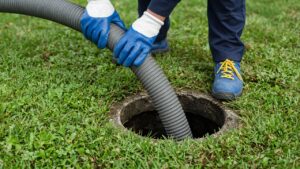
Technician servicing an open septic tank

Septic Pumping vs. Septic Cleaning: What Homeowners Need to Know

For many homeowners in California—particularly in San Diego County, where onsite wastewater treatment systems (OWTS, commonly called septic systems) serve properties without access to municipal sewers—the septic system is an essential but often overlooked component of home infrastructure. It processes thousands of gallons of wastewater annually, separating solids from liquids to prevent contamination of groundwater, coastal watersheds, and sensitive environments. Without proper maintenance, solids buildup can lead to backups, odors, slow drains, or drainfield failure, which may violate state and local regulations and trigger costly interventions from the San Diego County Department of Environmental Health and Quality (DEHQ) or the State Water Resources Control Board. A frequent question is the difference between septic pumping and septic cleaning. While sometimes confused or used interchangeably, these are distinct services with varying scopes, purposes, frequencies, and implications under California law. The state’s Water Quality Control Policy for Siting, Design, Operation, and Maintenance of Onsite Wastewater Treatment Systems (OWTS Policy)—adopted by the State Water Resources Control Board and implemented locally—emphasizes owner responsibility for maintenance, including regular inspections and solids removal to protect water quality and public health. Local agencies like DEHQ in San Diego County enforce these through Local Agency Management Programs (LAMPs), often requiring pumping based on site-specific factors rather than mandating a universal schedule. What Is Septic Pumping? Septic pumping is the routine, preventative maintenance service most homeowners need. A licensed technician uses a vacuum truck to remove the bulk of the tank’s contents: liquid effluent (wastewater), floating scum (oils, grease, lighter debris), and a significant portion of settled sludge (heavier solids). The tank isn’t fully emptied or scrubbed; residual material stays to sustain anaerobic bacteria that break down organics. The process addresses the tank’s natural stratification: Scum layer (top): Floating oils and greases. Effluent layer (middle): Clarified liquid that flows to the drainfield. Sludge layer (bottom): Settled solids that build up over time. Pumping keeps sludge from rising to overflow into the drainfield, where solids could clog pipes, form thick biomats, or impair soil percolation—issues that could lead to system failure or environmental violations. Key Benefits of Regular Septic Pumping Prevents backups into home plumbing (toilets, showers, sinks). Minimizes odors from the tank, yard, or vents. Protects the drainfield from solids overload, reducing premature failure risk. Supports efficient bacterial treatment and system performance. Extends overall lifespan (often 20–40+ years under good conditions). Qualifies as cost-effective preventative care, avoiding far higher repair costs. Recommended Frequency California’s OWTS Policy (Section 2.5) requires owners to maintain systems in good condition, including “inspections and pumping of solids as necessary, or as required by local ordinances.” No statewide fixed interval exists, but guidelines align with EPA recommendations and local practices: inspect every 1–3 years and pump every 3–5 years for typical households. San Diego County DEHQ provides a pumping frequency chart estimating intervals based on tank size and occupants (e.g., a 1,000-gallon tank for 4 people ≈ every 2.5 years; larger tanks or lower usage may extend closer to 5 years). Factors include household size, water usage (e.g., garbage disposals, laundry), tank capacity, and measured sludge/scum levels (pump when sludge is within 12–18 inches of the outlet or scum thickens significantly). Prioritize professional inspection for accuracy—over-pumping wastes money, while under-pumping risks failure. For details: State Water Resources Control Board: Water Quality Control Policy for OWTS (2023 Adopted Version) San Diego County DEHQ: Septic Systems Overview and Resources San Diego County Septic Tank Pumping Frequency Chart (PDF) What Is Septic Cleaning? Septic cleaning is a deeper, more intensive service for addressing severe or neglected buildup. It starts with full pumping but adds high-pressure washing, agitation, or scrubbing to remove hardened sludge, mineral deposits, or residues from tank walls, baffles, and tees—essentially a “reset” that restores near-full capacity. This targets issues routine pumping misses, such as compacted layers from years of neglect or hard water common in parts of California. When Septic Cleaning Is Recommended Tanks unserviced for many years (e.g., 7–10+), with heavy compaction. High sludge/scum levels found during inspection. Ongoing symptoms (slow drains, gurgling, backups, odors) post-pumping. Home sales/inspections requiring thorough assessment or DEHQ compliance. Troubleshooting structural or performance issues. Cleaning costs more due to added labor and tools but can recover significant capacity and improve effluent quality. Warning Signs Your Septic System Needs Service (Pumping or Cleaning) California regulations stress proactive response to malfunctions to avoid pollution. Key indicators include: Slow drains in multiple fixtures. Gurgling/bubbling in pipes. Sewage odors outdoors or indoors. Wet/soggy or lush patches over the drainfield. Toilet/lower-drain backups. No service in 5+ years. These signal potential failure; prompt action prevents solids reaching the drainfield. EPA: How to Care for Your Septic System (Aligned with CA Practices) Why Regular Maintenance Matters – The Cost of Neglect Properly maintained OWTS last decades, but neglect shortens life and risks violations. Overflowing solids clog drainfields, leading to surfacing effluent, groundwater contamination, or health hazards—often requiring DEHQ enforcement. Drainfield replacement in California (including San Diego County) typically costs $10,000–$30,000+ (higher for complex sites with slopes, poor soils, or permitting). Full replacements can exceed $15,000–$40,000. Routine pumping/cleaning (hundreds of dollars) prevents this affordably while supporting water quality in drought-prone, environmentally sensitive areas. Quick Comparison: Pumping vs. Cleaning Purpose — Pumping: Routine prevention; Cleaning: Deep restoration for buildup. Scope — Pumping: Liquids + most scum/sludge; Cleaning: Complete removal + scrubbing. Frequency — Pumping: 3–5 years (or as inspected/locally required); Cleaning: As needed. Cost — Pumping: Lower; Cleaning: Higher. Best For — Pumping: Ongoing care; Cleaning: Severe cases or resets. Protect Your Investment – Take Action Septic systems demand owner diligence under California’s OWTS framework. Pumping prevents most issues; cleaning tackles advanced problems. Combine with conservation, proper disposal, and inspections for compliance and longevity. If overdue or showing signs, contact a DEHQ-registered provider for inspection. Proactive steps protect your property, health, environment, and compliance. Additional resources: State Water Resources Control Board: OWTS Policy Main Page San Diego County DEHQ: Local Agency Management Program (LAMP) for OWTS Timely maintenance ensures reliable performance—act now to avoid bigger issues tomorrow.
Read More »
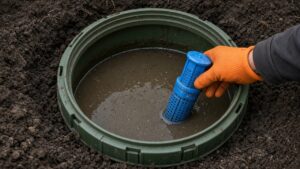
Septic inspector documenting a home system inspection

Septic Certification in San Diego County: Essential Information for Home Sellers

When selling a home in San Diego County that relies on a septic system (also known as an Onsite Wastewater Treatment System or OWTS), one often-overlooked but potentially deal-breaking requirement is septic certification or a comparable inspection. This step verifies the system’s condition and compliance, and it’s frequently mandated by lenders, buyers, title companies, or escrow processes to ensure the property can transfer smoothly. While California state law does not impose a universal mandatory point-of-sale septic inspection or certification for all transfers of property, many real estate transactions in San Diego County effectively require it. Lenders (especially for FHA, VA, or conventional loans), buyers seeking assurance, or escrow practices often demand proof that the septic system is functional and compliant with local regulations enforced by the County of San Diego Department of Environmental Health and Quality (DEHQ). Skipping this can lead to delayed closings, renegotiations, repair demands, or even deal fallout. What Is a Septic Certification? A septic certification is a professional inspection and documentation process that assesses whether an existing septic system is operating properly, structurally sound, and compliant with current standards. It typically results in one of two outcomes: Pass — The system meets requirements, allowing the sale to proceed without major issues. Fail — Problems are identified, requiring repairs, upgrades, or further evaluation before closing. The distinction from new system permitting or major repairs, which involve DEHQ approvals under the county’s Local Agency Management Program (LAMP) and state OWTS Policy guidelines. What Typically Occurs During a Professional Septic Inspection for Real Estate Transactions? Inspections for property sales are performed by qualified, licensed professionals (often C-42 licensed contractors or DEHQ-registered inspectors). A thorough process goes beyond a superficial check and usually includes: Visual and Structural Assessment Examination of the septic tank’s exterior and accessible components, including baffles (to separate solids and liquids), lids (for integrity and secure sealing), risers, and overall condition to identify cracks, leaks, or deterioration. Tank Pumping and Interior Inspection (Often Mandatory) The tank is pumped to allow entry and inspection of interior baffles, walls, floor, and accumulated scum/sludge levels. This reveals hidden issues like structural damage, excessive buildup, or improper function that could indicate impending failure. Hydraulic Load or Stress Testing Water is introduced to simulate household usage, testing the leach field (dispersal area) for proper absorption. Signs of failure include backups, surfacing effluent, slow drainage, or pooling—common reasons systems fail certification. Record Verification with DEHQ Cross-checking the system’s as-built records against official county files to confirm permitted installation, accurate layout, no unauthorized modifications, and compliance with setbacks, groundwater separation (typically at least 5 feet to groundwater), and other criteria. Additional Checks (as Needed) Evaluation for compliance with current standards, such as setbacks from wells, property lines, slopes, or water bodies; signs of surfacing sewage; or issues tied to age, soil percolation rates, or household size. Why Septic Certification Is Critical for Sellers in San Diego County Septic systems represent a major uncertainty for buyers—unlike public sewer connections, they are private, maintenance-dependent, and can cost thousands to repair or replace. A passing Sertification offers multiple benefits: Builds Buyer Confidence — Demonstrates transparency and reduces perceived risk. Minimizes Negotiation Leverage — Buyers are less likely to demand credits, price reductions, or contingencies for repairs. Speeds Up Closing — Avoids last-minute discoveries that could stall escrow. Supports Lender Approval — Many financing options require evidence of a functional system. Conversely, an identified failure can trigger mandatory repairs (e.g., tank replacement, leach field expansion, or upgrades to meet modern standards), potentially costing $10,000–$50,000+ depending on severity. Edge Cases and Nuances to Consider Older systems (pre-1980s) may not meet current separation or design standards but could be “grandfathered” if functioning—no automatic requirement to upgrade unless failing or during major property changes. Properties near impaired water bodies or in high-risk groundwater areas face stricter scrutiny under state policy. If the system serves multiple dwellings (e.g., ADU), additional sizing and separation rules apply. In rare cases, a “failing” status documented by DEHQ can qualify for expedited sewer connection if available. Final Documentation and Next Steps Upon passing, you’ll typically receive: A detailed inspection report. A formal certification letter or statement from the inspector. Supporting DEHQ-related records or compliance notes (if requested). If issues arise, the report outlines required corrective actions, timelines, and potential DEHQ involvement for repairs. Pro Tip for San Diego County Home Sellers Schedule a septic inspection and certification before listing your property. This proactive approach uncovers problems early, allows time for repairs on your terms, prevents escrow delays, and positions you as a prepared seller. Waiting until escrow often leads to rushed decisions and higher costs.   For official details on regulations, permitting, and records, consult these key resources: County of San Diego Department of Environmental Health and Quality – Septic Systems Overview DEHQ Frequently Asked Questions on Septic Systems State Water Resources Control Board – Onsite Wastewater Treatment Systems (OWTS) Policy  

Read More »
Septic technician inspecting a residential tank lid

Septic Certification in San Diego County: What Every Home Seller Needs to Know

If you’re planning to sell a home in San Diego County with a septic system, one critical step often catches sellers by surprise: septic certification. In many real estate transactions, it’s not truly optional. Lenders, buyers, and escrow often require it. Without a passing certification, your sale can stall or fall apart. What Is a Septic Certification? A septic certification is a formal professional inspection that determines whether your onsite wastewater treatment system (OWTS) is functioning properly. It is typically required during escrow and delivers a clear result: Pass → The sale can move forward Fail → Repairs or upgrades are needed before closing What Happens During the Inspection? A proper septic certification goes well beyond a quick visual check. A qualified inspector usually performs the following: Visual Inspection The physical condition of the septic tank is assessed, including baffles (which control flow), lid integrity (for safety and sealing), and liquid levels (to confirm proper function). Hydraulic Load Test This is a common point of failure. Water is introduced to simulate household usage and stress-test the leach field to ensure wastewater is absorbed properly with no backups or surfacing. Record Matching with San Diego County The existing system is cross-checked against official county records to confirm it was properly permitted, the layout is accurate, and no unapproved modifications exist. Mandatory Pumping In most cases, the tank must be pumped during the inspection. This allows a thorough interior examination for cracks, leaks, and overall structural integrity. Why This Matters for Your Sale Septic systems are one of the biggest unknowns for buyers. A clean certification: Builds buyer trust Reduces the risk of last-minute negotiations or price reductions Helps your deal close faster and smoother Final Step: Documentation After the inspection, you will receive: A formal Certification Letter Supporting DEHQ-related documentation Clear next steps if any issues are identified Pro Tip for San Diego County Sellers Don’t wait until escrow begins. Getting your septic certification before listing can: Prevent costly delays Avoid rushed repairs under pressure Strengthen your position as a prepared and transparent seller Need a Septic Certification? We help homeowners and real estate agents across San Diego County complete the process quickly and confidently. 👉 Schedule your inspection today and keep your sale on track. Official Resources: San Diego County DEHQ Septic Systems Overview DEHQ Frequently Asked Questions on Septic Systems

Read More »