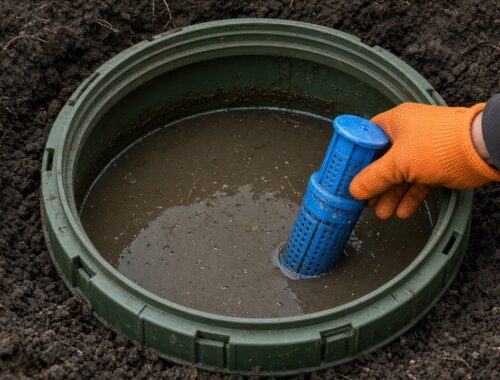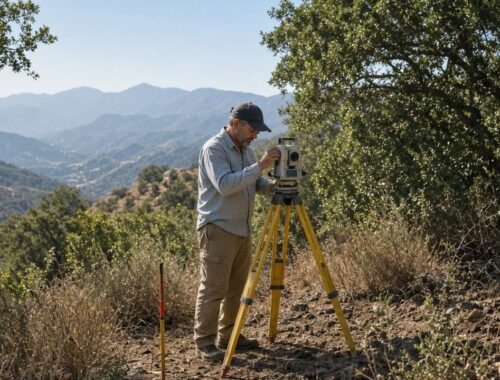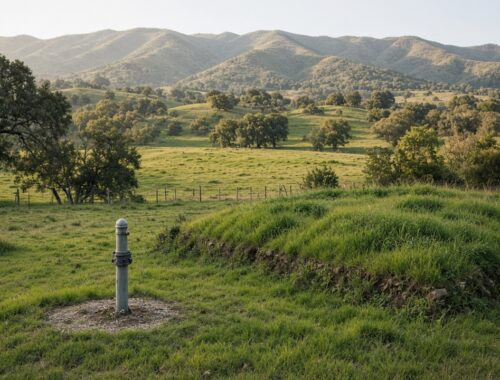
A shade tree in the yard is a great thing until its roots go looking for water. If you have trees near your septic system, the pipes and the leach field are exactly where thirsty roots tend to end up, because that soil stays moist and full of nutrients.
The fix for trees near septic system problems is not to cut every tree down. It is to know how close is too close, what to plant over the field instead, and what warning signs mean roots have already gotten in. This guide uses EPA homeowner guidance and the San Diego County LAMP, and applies them to the granite lots, slopes and dry summers common around Ramona and the rest of the county.
Trees Near Septic System Risks: How Roots Cause Problems
EPA’s septic care guidance says to plant trees the appropriate distance from your drainfield to keep roots from growing into your septic system, and that a septic professional can advise on the right distance for your tank and landscape. It also notes that tree and shrub roots can ensnarl and damage drainfield pipes.
Why Roots Go Toward the Leach Field
Trees near a septic system are drawn to the same thing every plant wants: water.
Treated liquid from the tank spreads through the leach field and soaks into the soil. In San Diego County’s dry climate, that is one of the few reliably damp spots in a yard. Roots follow moisture, so trees near a septic system such as willows, eucalyptus, large pines and other fast-growing, water-loving trees are the usual suspects.
- Roots can slip into cracks or loose joints in tank lids, baffles and distribution boxes.
- Fine roots can fill the perforated lines of a leach field and slow the way water soaks away.
- Heavy roots can crush or shift pipes and make the field uneven.
What the County Says About Trees Near a Septic System
The Final 2025 LAMP treats root intrusion seriously. When an entire dispersal field is no longer working and no recovery is expected, as in extensive root intrusion, the field must be replaced. The LAMP also says removal of root-invasive trees, paved areas and other items sitting on the remaining usable land may be required before a repair is approved. Replacing a field costs far more than managing trees near a septic system early, and the county can ask you to clear the area first.
What to Plant Over and Around the Field Instead of Trees
EPA advises native grasses and ground covers as the most appropriate planting over a drainfield, and warns against vegetable gardens there, since vegetables could be exposed to effluent. A simple plan for trees near your septic system and the ground around it looks like this:
- Keep the leach field in grass or native, shallow-rooted ground cover.
- Skip trees and large shrubs over the field and over the tank and lines.
- Ask a septic professional how far from the field a mature tree should be, since the right distance depends on the tree and the layout.
- Keep the lids and risers clear so pumping and inspection stay easy.
Also keep cars, equipment and paving off the field. EPA notes that drainfields are not built for vehicles, and that concrete or asphalt over them reduces the evaporation the system depends on. Our post on DIY septic repairs versus licensed work covers why digging in the field is best left to a licensed contractor.
Warning Signs Trees Near Your Septic System Are Causing Trouble
Roots from trees near a septic system work slowly, so the signs often show up before you ever see a root. Watch for these:
- Slow drains or gurgling plumbing that pumping does not fix for long.
- Soggy spots, bright green strips or odors over the leach field.
- Sewage backing up into the lowest drain in the house.
Our guide to failing septic warning signs explains what each one means. If roots turn out to be the cause, a technician will inspect the tank and lines, and our septic repairs team can tell you whether the damage can be repaired or the field needs a permitted replacement. See also our overview of drainfield and leach field repair options.
Before You Plant or Remove a Tree
If you are planning landscaping, an addition or a tree removal on a lot with a septic system, locate the tank and leach field first. A septic tank cleaning or inspection visit is a good time to mark the lids and lines, and to get an honest look at trees near septic system parts. For help anywhere in our San Diego County service area, call Solid State Septic at 951-418-9775 or contact us online.
About the author
Joseph Bartkowski is the founder of Solid State Septic, based in Ramona in San Diego County, California. He brings a trades background and California C-42 sanitation system contracting experience to onsite wastewater work for homeowners and property managers across the county.