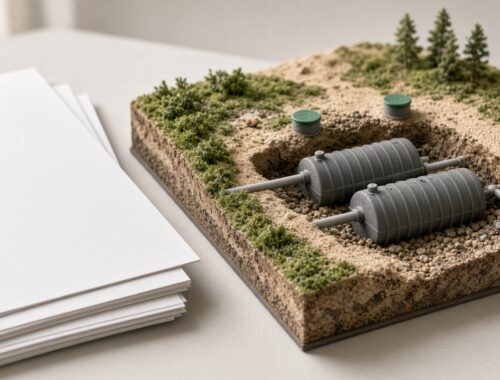
A full house is one of the best parts of November and December, but it can be one of the hardest stretches of the year on a septic system. Joseph Bartkowski, founder of Solid State Septic in Ramona, sees the same pattern every season: extra showers, extra loads of laundry, a busy kitchen and a driveway full of cars all land on a system that was sized for the household that lives there every day.
The good news is that protecting your septic system during the holidays mostly comes down to planning. The steps below follow EPA homeowner septic guidance, San Diego County DEHQ septic resources and the operating expectations in the County’s Final 2025 LAMP, so your tank and leach field can handle the visit and you can focus on your guests.
How Guests Affect Your Septic System During the Holidays
A septic tank needs time to let solids settle and scum float before liquid moves on to the leach field. When several extra people are in the house for days at a time, more water and more solids arrive than the system usually sees, and the tank has less time to do its job.
- More showers, flushes and dishwasher cycles raise the daily flow into the tank.
- Holiday cooking sends more grease and food scraps toward the drains.
- Back-to-back high-water days give the leach field little time to recover.
EPA’s How to Care for Your Septic System notes that household size and the total amount of wastewater are among the main factors that decide how often a tank needs pumping, and that everything sent down the drains ends up in the system.
Schedule Pumping or an Inspection Before Guests Arrive
If your tank is near or past its usual service interval, the weeks before a big gathering are the right time to have it checked. Most occupied homes need septic pumping every three to five years, and a tank that is already close to full has very little room for a crowded week.
- Look up the date of your last service and the sludge and scum notes from that visit.
- Book pumping or a septic tank cleaning early, since November and December calendars fill quickly.
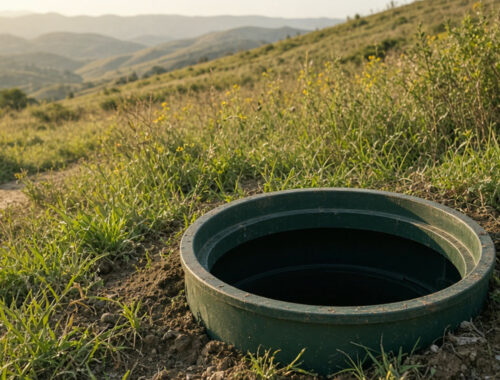
- Make sure the tank lids are located and accessible so service is not delayed.
EPA recommends having a typical household system inspected at least every three years and notes that household tanks are typically pumped every three to five years. The Final 2025 LAMP also places ongoing operation and maintenance responsibility on the property owner.
Spread Out Water Use During the Visit
The easiest way to help the system is to avoid sending a large amount of water at once. A little coordination with your guests goes a long way.
- Run laundry over several days instead of one marathon wash day, and run only full loads.
- Stagger showers, and keep them short when the house is full.
- Run the dishwasher only when it is full, and fix any running toilet before company comes.
EPA specifically warns that doing all household laundry in one day does not give the tank enough time to treat waste and can flood the drainfield. Its guidance also points out that a single leaky or running toilet can waste a large amount of water every day.
Keep Grease and Food Scraps Out of the Kitchen Drain
Holiday meals produce a lot of fat, oil and leftovers. Grease that goes down the sink can cool and build up in the tank and pipes, and food waste adds solids that the tank has to store until the next pumping.
- Pour cooled grease and pan drippings into a can or jar and put it in the trash.
- Scrape plates into the trash or compost before rinsing.
- Go easy on the garbage disposal, which sends extra solids straight to the tank.
EPA’s guidance lists cooking grease, oil and coffee grounds among the things that should never go down the drain, and it recommends limiting or eliminating garbage disposal use on septic systems.
Give Guests a Friendly Bathroom Reminder
Visitors from cities with sewer service may not know what a septic system can handle. A short, polite note near each toilet prevents most problems before they start.
- Post a simple “Toilet paper only, please” card in guest bathrooms.
- Keep a lidded trash can in every bathroom for wipes, hygiene products and floss.
- Stock regular toilet paper so no one reaches for paper towels or tissues.
Our earlier guide, What Not to Flush, covers the full list. EPA’s rule of thumb is to flush nothing but human waste and toilet paper, and so-called flushable wipes do not belong in a septic system.
Keep Cars and Heavy Traffic Off the Leach Field
Holiday parties often mean extra cars, and the open lawn over a leach field can look like the perfect overflow lot. The weight of vehicles can compact the soil and damage pipes, which makes it harder for the leach field to absorb and treat water.
- Mark the tank and leach field area with cones, stakes or a simple sign before guests arrive.
- Direct overflow parking to the driveway, street or another hard surface.
- Keep roof downspouts and rain runoff pointed away from the leach field during winter storms (see our guide to diverting roof and driveway runoff).
EPA advises homeowners not to park or drive on a drainfield and to keep roof drains and other rainwater drainage away from it. San Diego County’s rainy season often overlaps with the holidays, and saturated soil leaves the leach field with less capacity to spare.
Know the Warning Signs and Who to Call
Even with good planning, a heavily used system can show stress. Catching it early protects your home and keeps a small problem from turning into a costly septic repair.
- Slow drains, gurgling pipes or toilets that are slow to flush.
- Sewage odors indoors or near the tank and leach field.
- Soggy ground, standing water or unusually green grass over the leach field.
If you notice these signs, cut back on water use and call for service. Our guide to failing septic warning signs explains what each symptom can mean, and the failures and backups page outlines how Solid State Septic responds. County DEHQ’s San Diego County DEHQ Septic Systems resources and the State Water Board OWTS Policy both treat timely maintenance and repair as part of protecting water quality.
Closing From Joseph Bartkowski
Joseph Bartkowski recommends treating the holidays like any other planned high-use event: check your service records, book maintenance before the rush, and let guests know how to help. If you would like your tank pumped or inspected before company arrives, call Solid State Septic at 951-418-9775 or contact us online. Emergency pumping is available 24/7, subject to access and lid exposure, for homes throughout our San Diego County service area.
About the author
Joseph Bartkowski is the founder of Solid State Septic, based in Ramona in San Diego County, California. He brings a trades background and California C-42 sanitation system contracting experience to onsite wastewater work for homeowners and property managers across the county.
Citations and resource links
- EPA: How to Care for Your Septic System
- EPA Septic Systems
- San Diego County DEHQ Septic Systems
- Final 2025 LAMP
- State Water Board OWTS Policy
Featured photo: “Keep Off” by Marcus Quigmire, via Wikimedia Commons, licensed under CC BY-SA 2.0. Cropped from the original.