Inspections turn paper approvals into verified field performance. Joseph Bartkowski, founder of Solid State Septic in Ramona, treats County installation checks, supplemental-treatment monitoring, and homeowner vigilance as one continuous inspection culture for San Diego County onsite wastewater treatment systems (OWTS).
Under the Final 2025 LAMP and DEHQ program services, new systems receive installation inspections, while supplemental treatment systems carry annual operating permits and biannual qualified-service-provider inspections. The practices below follow those County requirements, the State OWTS Policy framework, and EPA homeowner septic guidance.
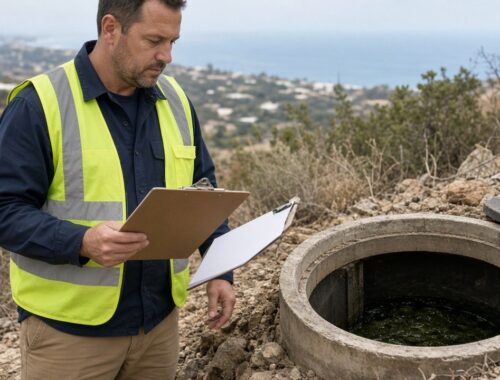
Prepare for DEHQ Installation Inspections
Installation inspections confirm the system matches the approved layout. Surprises at inspection usually mean rework before cover.
- Leave tank, piping, and dispersal components open for visual verification until released.
- Match setbacks, elevations, and materials to the approved plans on site.
- Schedule the County septic inspection line contact path published by DEHQ when ready.
DEHQ’s San Diego County DEHQ Septic Systems program services explicitly include installation inspections of onsite wastewater treatment systems, implemented under the standards in the Final 2025 LAMP. Passing that inspection is what converts a paper approval into a constructible, documented system.
Meet Supplemental Treatment Inspection Duties
Systems with supplemental treatment carry ongoing operating-permit conditions. Joseph Bartkowski emphasizes that owners—not just service contractors—own the reporting clock.
- Maintain an annual operating permit issued by DEHQ for the supplemental treatment system.
- Arrange biannual inspections by a qualified service provider trained on the specific technology.
- Submit inspection results to DEHQ within 30 days of each completed inspection.
Chapter 9 of the Final 2025 LAMP requires annual operating permits, minimum biannual qualified-service-provider inspections, and owner submission of results to DEHQ within 30 days, consistent with the STS program notes on the San Diego County DEHQ Septic Systems page.
Practice Year-Round Homeowner Vigilance
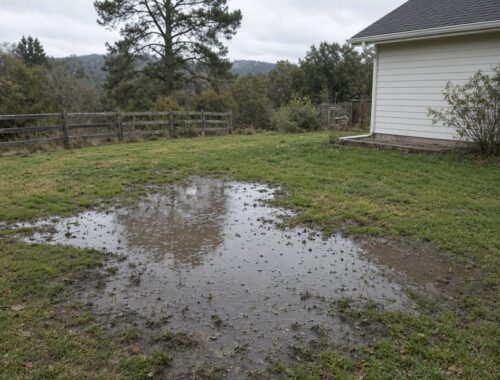
Between formal inspections, early warning signs still matter. EPA homeowner education focuses on noticing problems before sewage surfaces.
- Check for slow drains, sewage odors, or unusually green patches over the field.
- Verify risers remain secure and accessible for the next service visit.
- Call for professional assessment when alarms, pooling, or backups appear.
EPA Septic Systems homeowner materials explain common failure signs, while California’s State Water Board OWTS Policy frames operation and maintenance as part of protecting water quality statewide.
Use Inspections to Catch Failures Early
DEHQ also responds to citizen complaints of failing systems. Documented inspections create a clearer corrective path when something is wrong.
- Keep prior inspection reports with the property OWTS file.
- Compare new findings against earlier as-builts and permits.
- Escalate confirmed surfacing sewage through proper County complaint channels.
Program services on the San Diego County DEHQ Septic Systems page include responding to citizen complaints of failing onsite wastewater treatment systems, and the Final 2025 LAMP sets corrective and operating expectations that inspections help enforce. A complete inspection trail makes those conversations factual instead of speculative.
Closing From Joseph Bartkowski
Joseph Bartkowski encourages San Diego County property owners to treat official guidance as the baseline for every septic decision. Review the County and State resources linked throughout this article, calendar STS inspection deadlines if applicable, keep service records, and ask questions before problems escalate. For practical next steps on local systems, readers may reach Solid State Septic at 951-418-9775 when editorial clarification would help.
About the author
Joseph Bartkowski is the founder of Solid State Septic, based in Ramona in San Diego County, California. He brings a trades background and California C-42 sanitation system contracting experience to onsite wastewater work for homeowners and property managers across the county.