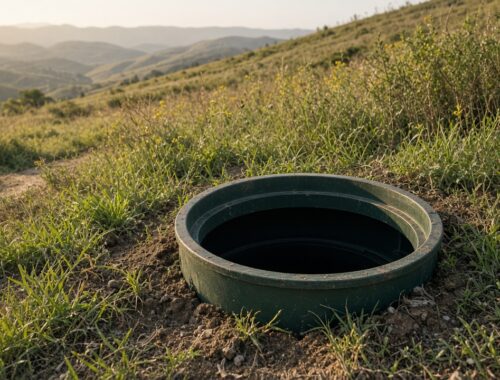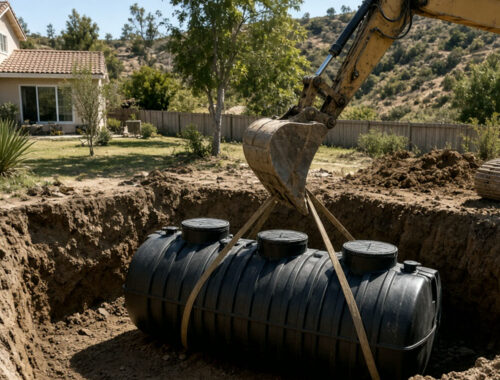
When a septic system fails in San Diego County, owners face a hard fork: authorize a targeted repair or install a new system under current rules. Joseph Bartkowski, founder of Solid State Septic in Ramona, frames that choice with DEHQ repair authorization, the Final 2025 LAMP, and clear trigger points—not wishful patching over surfacing sewage.
Repairs restore function when the soil treatment area and tank can still meet LAMP limits. Replacement becomes the honest path when the field is spent, setbacks cannot be met, or the existing layout is defective under today’s standards. The distinctions below follow County DEHQ septic materials, the Final 2025 LAMP, California’s OWTS Policy, and EPA septic guidance.
Recognize Failure Signs That Outrun Routine Service
Pumping and filter cleaning fix solids problems—not a dead drainfield. Joseph Bartkowski separates tank-side service from system failure before anyone prices a “quick fix” that only hides effluent until the next rain.
- Treat surfacing sewage, persistent soggy strips over the field, and outdoor sewage odors as failure indicators, not nuisances to mask with fill dirt.
- Rule out clogged effluent filters, broken baffles, and crushed conveyance before condemning the entire dispersal area—or assuming a small repair will suffice.
- Document dates, photos, and service history so DEHQ and designers see the pattern, not a single bad week.
EPA’s EPA Septic Systems homeowner materials list outdoor failure signs owners should not ignore, while San Diego County’s San Diego County DEHQ Septic Systems program responds to failing systems through repair and corrective pathways under the LAMP.
When Repair Authorization Is Still the Right Path
Limited corrective work can keep a system online when soil capacity remains, setbacks still work, and the defect is discrete—distribution hardware, a damaged lateral, or a tank component that restored function can save. That work still belongs under County authorization when it alters the OWTS beyond routine service.
- File a Septic Repair Authorization Application when corrective digging or component changes go beyond pumping and filter service.
- Match the repair scope to measured causes: redistribution and line repair only where the soil still accepts effluent.
- Stop landscape cover-ups that hide pooling instead of restoring lawful dispersal.
DEHQ’s San Diego County DEHQ Septic Systems applications list includes repair authorization, and the Final 2025 LAMP defines defective systems and the corrective standards local reviews apply.
Replacement Trigger Points Under the 2025 LAMP
New installation enters when the primary soil treatment area is exhausted, no usable reserve remains, groundwater separation fails, or the existing design cannot meet current LAMP limits for the site and flow. Joseph Bartkowski treats those as engineering and regulatory triggers—not sales language.
- Expect replacement or major reconstruction discussion when effluent chronically surfaces despite a sound, recently serviced tank.
- Plan for a new design when setbacks, slopes, or groundwater separation block repairing in place under 2025 LAMP rules.
- Anticipate supplemental treatment conversations only when conventional dispersal cannot meet site constraints—not as a default upsell after one clogged filter.
The Final 2025 LAMP and California’s State Water Board OWTS Policy together set the corrective-action frame: local programs may require systems that meet current protective standards when older layouts have failed.
Compare Scope, Downtime, and Compliance—Not Just Bid Price
A cheap unauthorized trench beside a failed field often costs more after DEHQ intervention. Owners should compare permitted repair versus permitted replacement on compliance, usable life, and inspection requirements—not the lowest cash bid that skips paperwork.
- Ask whether the proposed work restores LAMP-compliant performance or only postpones replacement by months.
- Budget for site evaluation, design, permits, and inspection holds on either path—shortcuts rarely survive County review.
- Keep records that show authorized work; buyers and lenders increasingly expect OWTS documentation at sale.
County DEHQ’s San Diego County DEHQ Septic Systems program and EPA’s EPA Septic Systems resources both reinforce that untreated or poorly dispersed wastewater threatens groundwater—so the cheaper noncompliant patch is not a savings.
Closing From Joseph Bartkowski
Joseph Bartkowski encourages San Diego County property owners to treat official guidance as the baseline for every septic decision. Review the County and State resources linked throughout this article, seek repair authorization or a new-installation permit before digging, keep service records, and ask questions before problems escalate. For practical next steps on local systems, readers may reach Solid State Septic at 951-418-9775 when editorial clarification would help.
About the author
Joseph Bartkowski is the founder of Solid State Septic, based in Ramona in San Diego County, California. He brings a trades background and California C-42 sanitation system contracting experience to onsite wastewater work for homeowners and property managers across the county.