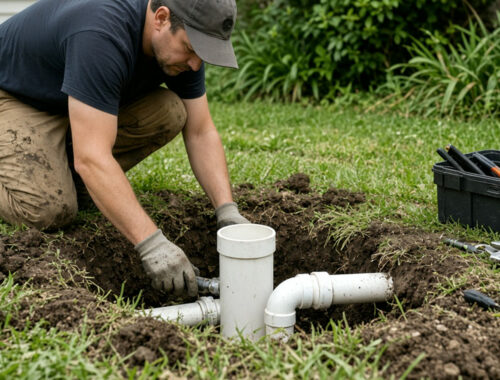
Supplemental treatment systems add engineered treatment steps beyond a conventional septic tank and soil dispersal field. Joseph Bartkowski, founder of Solid State Septic in Ramona, treats STS monitoring under San Diego County DEHQ rules as ongoing compliance work—not a one-time installation checkbox.
The Final 2025 LAMP spells out design, operation, maintenance, and annual operating-permit expectations for onsite systems with supplemental treatment. The monitoring practices below follow County DEHQ septic program materials, that LAMP, California’s OWTS Policy framework, and EPA septic education on system care.
Understand Why Supplemental Treatment Exists
Sites with limited soil depth, tighter groundwater separation, or other constraints may require supplemental treatment to meet water-quality goals. Joseph Bartkowski explains that the hardware only works when operation matches the approved design.
- Confirm whether the property’s permit classifies the OWTS as having supplemental treatment.
- Locate manufacturer manuals and the County-approved operations plan with the property file.
- Know which qualified service provider is responsible for scheduled inspections.
The Final 2025 LAMP includes dedicated requirements for onsite wastewater treatment systems with supplemental treatment, and San Diego County’s San Diego County DEHQ Septic Systems program administers permits and records for those systems under the local LAMP.
Follow Biannual Monitoring and Reporting Cadence
STS units typically need more frequent professional attention than conventional tanks. Missed inspections can leave owners unaware of alarms, filter failures, or effluent that no longer meets design targets.
- Schedule qualified service visits at the interval required by the operating permit and LAMP.
- Submit monitoring reports to DEHQ within required timelines after each service event.
- Keep copies of lab results, checklist findings, and corrective recommendations on site.
County DEHQ’s San Diego County DEHQ Septic Systems resources and the Final 2025 LAMP describe operation, maintenance, and annual operating-permit duties that attach to supplemental-treatment installations, including ongoing monitoring expectations owners must fund and document.
Treat Alarms and Service Flags as Urgent
Control panels, pumps, and sensors exist to signal trouble early. Ignoring an alarm while the house keeps using water can damage dispersal areas and violate operating conditions.
- Post the service provider’s phone number near the control panel.
- Reduce water use until a qualified technician clears the alarm cause.
- Record the date, fault code, and repair steps for the DEHQ property file.
EPA’s EPA Septic Systems guidance reinforces that advanced systems need attentive operation, and California’s State Water Board OWTS Policy supplies the statewide operation and maintenance policy context that local STS programs implement.
Maintain the Annual Operating Permit Relationship
Many supplemental-treatment systems require an annual operating permit through DEHQ. Lapsed permits and missing reports create compliance gaps even when the hardware still runs.
- Calendar renewal dates before the permit year expires.
- Update DEHQ when ownership or the designated service provider changes.
- Align tank pumping with STS service so solids do not undermine treatment performance.
The Final 2025 LAMP, approved for County implementation through San Diego Water Board Resolution R9-2024-0130, is the local rule set DEHQ uses when reviewing STS operating permits, covenants, and monitoring compliance in San Diego County.
Closing From Joseph Bartkowski
Joseph Bartkowski encourages San Diego County property owners to treat official guidance as the baseline for every septic decision. Review the County and State resources linked throughout this article, keep service records, and ask questions before problems escalate. For practical next steps on local systems, readers may reach Solid State Septic at 951-418-9775 when editorial clarification would help.
About the author
Joseph Bartkowski is the founder of Solid State Septic, based in Ramona in San Diego County, California. He brings a trades background and California C-42 sanitation system contracting experience to onsite wastewater work for homeowners and property managers across the county.