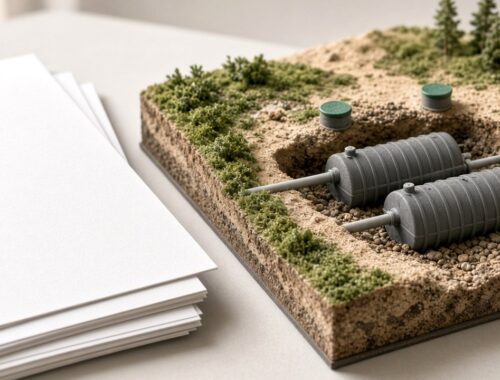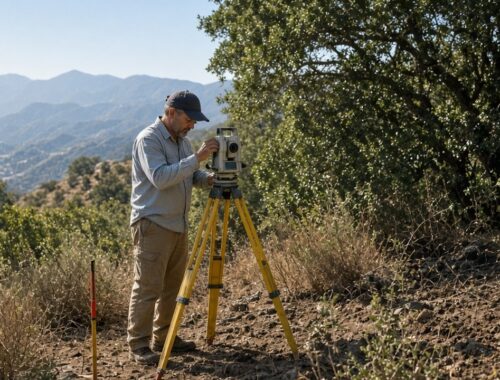
A new septic system in San Diego County is a regulated sequence—not a weekend dig. Joseph Bartkowski, founder of Solid State Septic in Ramona, walks owners from site evaluation through DEHQ permitting, construction, and final inspection under the Final 2025 LAMP and California’s OWTS Policy framework.
Skipping soil work or installing without authorization invites costly redo and enforcement risk. The process outline below follows County DEHQ septic program materials, the Final 2025 LAMP, State Water Board OWTS Policy, and EPA septic education—high-level guidance for homeowners planning a new installation, not a site-specific design.
Start With Site Evaluation and Soil Suitability
Before anyone orders a tank, the site must show it can treat and disperse wastewater safely. Joseph Bartkowski treats percolation or soil evaluation, groundwater separation, slopes, and setbacks from wells and structures as the first gate—not an afterthought once excavation is scheduled.
- Confirm soil texture, depth, and percolation results support a Code-compliant soil treatment area for the proposed flow.
- Map wells, streams, structures, property lines, and steep slopes against County setback and separation requirements.
- Document findings so the design professional and DEHQ review the same evidence package.
San Diego County’s San Diego County DEHQ Septic Systems program explains site evaluation and permitting pathways, while the Final 2025 LAMP sets local siting and performance standards for new OWTS.
Design and DEHQ Permit Authorization
A compliant layout sizes the tank and dispersal area to occupancy and soil capacity, then moves through County review. Owners should expect plan submittal, fees, and conditions—not a verbal “go ahead” from a neighbor who installed years ago under older rules.
- Use a design that matches bedroom count, daily flow assumptions, and LAMP-tier requirements for the parcel.
- File the County septic construction or installation application package DEHQ lists for new systems.
- Hold excavation until written authorization and stamped plans are in hand.
DEHQ’s San Diego County DEHQ Septic Systems applications and guidance implement California’s State Water Board OWTS Policy locally, so statewide minimums and County LAMP rules both shape what gets approved.
Licensed Installation and Construction Holds
Installation means excavating to grade, setting the tank, building the soil treatment area, and connecting conveyance exactly as approved. Joseph Bartkowski stresses that field changes without DEHQ concurrence turn a permitted job into a compliance problem.
- Use a California C-42 sanitation system contractor for OWTS construction work that requires licensing.
- Protect trenches from collapse, keep materials clean, and match elevations to the approved profile.
- Stop and call for inspection holds before covering critical components when the permit requires them.
EPA’s EPA Septic Systems materials underscore proper installation as foundational to long-term performance, and the Final 2025 LAMP expects systems to be built to approved specifications that protect groundwater.
Final Inspection, As-Builts, and Handoff
County inspection closes the loop: confirm tank seals, dispersal layout, setbacks, and any required operating-plan items before backfill hides the work. Owners should leave with records that survive the next sale or service visit.
- Schedule final inspection per the permit and correct punch-list items before requesting sign-off.
- Retain as-built drawings, permit cards, and soil reports with the property file.
- Ask what ongoing pumping, filter service, or monitoring the approved system requires under LAMP operating expectations.
County DEHQ’s San Diego County DEHQ Septic Systems resources and EPA’s EPA Septic Systems homeowner guidance both treat documentation and maintenance as part of a successful installation—not optional extras after the excavator leaves.
Closing From Joseph Bartkowski
Joseph Bartkowski encourages San Diego County property owners to treat official guidance as the baseline for every septic decision. Review the County and State resources linked throughout this article, complete site evaluation before digging, keep permit and as-built records, and ask questions before problems escalate. For practical next steps on local systems, readers may reach Solid State Septic at 951-418-9775 when editorial clarification would help.
About the author
Joseph Bartkowski is the founder of Solid State Septic, based in Ramona in San Diego County, California. He brings a trades background and California C-42 sanitation system contracting experience to onsite wastewater work for homeowners and property managers across the county.