Buying a septic home without a real inspection is buying a buried liability. Joseph Bartkowski, founder of Solid State Septic in Ramona, offers a buyer’s septic inspection checklist for San Diego County closings—so contingencies catch OWTS problems before keys exchange under Final 2025 LAMP-era expectations.
Seller disclosures help, but they are not a substitute for opening tanks and walking the field. The checklist below follows County DEHQ septic materials, the Final 2025 LAMP, State Water Board OWTS Policy, and EPA septic education—buyer education, not a certified inspection report.
Before You Waive the Septic Contingency
Build time for locating records, pumping/inspection access, and specialist evaluation into the contract calendar. Joseph Bartkowski sees deals rush past the only window to renegotiate.
- Request permits, as-builts, pumping history, and any STS/operating permits from the seller.
- Schedule a qualified septic inspection with tank access—not a visual yard walk alone.
- Keep the contingency open until you have a written report you understand.
County San Diego County DEHQ Septic Systems records and EPA’s EPA Septic Systems buyer-oriented education both support due diligence before transfer; LAMP-era systems may carry extra monitoring duties noted in the Final 2025 LAMP.
On-Site Checklist Items Buyers Should Expect
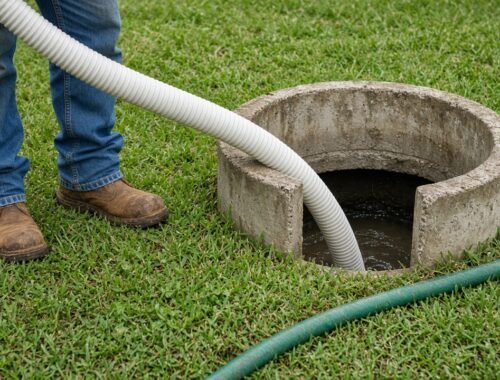
A serious inspection opens tanks, measures sludge/scum, checks baffles and filters, and evaluates the dispersal area. Camera work and hydraulic load tests may be recommended when history is thin.
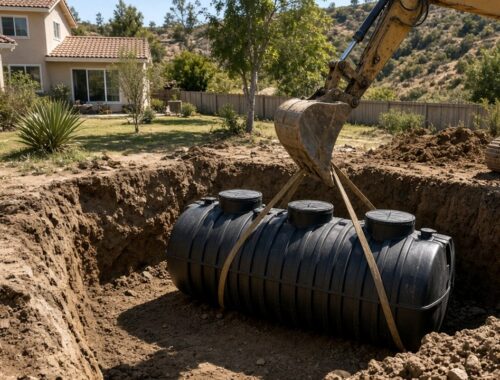
- Confirm tank material, baffles, tees, effluent filter, and watertight risers.
- Look for surfacing, odors, lush stripes, or compacted/paved areas over the field.
- Verify bedroom count on title/marketing matches the system’s design basis when records exist.
Align field findings with San Diego County DEHQ Septic Systems program expectations and statewide State Water Board OWTS Policy concepts of functional treatment and dispersal.
Special Systems and Monitoring Red Flags
Supplemental treatment systems, pumps, and alarms need power, service contracts, and sometimes County reporting. A silent alarm or dead panel is not a minor punch-list item.
- Test pumps, floats, and alarms where present; ask for service records.
- Identify whether an operating permit or monitoring schedule applies to the property.
- Budget ongoing STS maintenance if the home relies on supplemental treatment.
The Final 2025 LAMP and San Diego County DEHQ Septic Systems STS/monitoring pathways explain why advanced systems carry homeowner duties beyond a conventional gravity tank.
Turning Findings Into Closing Decisions
Use the report to request repairs, credits, or walk-away—before removal of contingencies. Save every document for your ownership file from day one.
- Price repair or replacement quotes before accepting “as-is” language lightly.
- Confirm who pulls DEHQ permits if work is required as a condition of sale.
- Retain the inspection report, pumping invoice, and seller records with your closing packet.
Lean on EPA Septic Systems maintenance guidance after closing, and keep San Diego County DEHQ Septic Systems contacts handy if repairs need County authorization.
Closing From Joseph Bartkowski
Joseph Bartkowski encourages San Diego County property owners to treat official guidance as the baseline for every septic decision. Review the County and State resources linked throughout this article, complete a real septic inspection before closing on a San Diego County home, and ask questions before problems escalate. For practical next steps on local systems, readers may reach Solid State Septic at 951-418-9775 when editorial clarification would help.
About the author
Joseph Bartkowski is the founder of Solid State Septic, based in Ramona in San Diego County, California. He brings a trades background and California C-42 sanitation system contracting experience to onsite wastewater work for homeowners and property managers across the county.