Unauthorized dig-and-patch work on a septic system can leave a San Diego County property out of compliance and still failing. Joseph Bartkowski, founder of Solid State Septic in Ramona, draws a bright line between safe homeowner steps—document, conserve water, call—and excavation or component replacement that belongs with licensed, permitted pathways under County DEHQ.
Online videos make backyard trench work look simple. Under California contracting rules and the County’s Final 2025 LAMP, septic sanitation system work is regulated for a reason: groundwater, neighbors, and future buyers all inherit the result. The comparison below follows DEHQ septic program materials, the 2025 LAMP, State OWTS Policy context, and EPA homeowner guidance.
Why Unauthorized Dig-and-Patch Fails Compliance
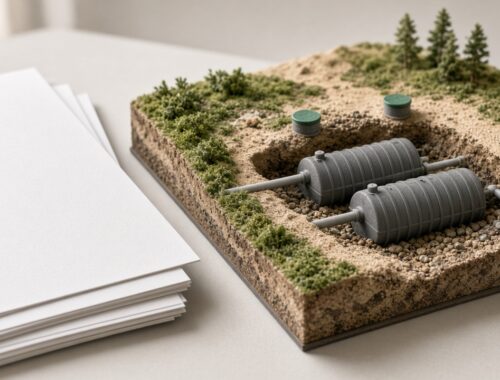
Covering surfacing sewage with soil, punching a new trench without design review, or swapping major tank parts without authorization does not create a lawful repair. It can hide a public-health hazard and complicate the County file when a sale, refinance, or complaint arrives.
- Surface dispersal and informal “relief” trenches violate the protective intent of local LAMP standards.
- Unpermitted changes leave as-builts and inspection records incomplete for the next owner.
- Hidden failures often return worse after the temporary patch redirects effluent into saturated soil.
The Final 2025 LAMP defines defective systems and limits that ban practices such as surface effluent dispersal, while DEHQ’s San Diego County DEHQ Septic Systems program expects repair authorization before covering tanks, lines, or dispersal components.
C-42, Permitted Haulers, and DEHQ Pathways
California C-42 sanitation system contractors are the license class associated with septic system construction and repair work. Pumping and cleaning belong with properly permitted haulers. Design review, repair authorization, and installation inspection run through County DEHQ—not a weekend crew without paperwork.
- Use licensed C-42 contractors for excavation, tank and field repairs, and permitted system modifications.
- Hire permitted pumpers for septage removal and keep invoices with solids measurements.
- File the Septic Repair Authorization Application and wait for DEHQ authorization before covering work.
San Diego County’s San Diego County DEHQ Septic Systems applications and inspection services implement local LAMP duties, and California’s State Water Board OWTS Policy frames the statewide corrective-action and local-agency context those County pathways follow.
Homeowner-Safe Steps That Help Without Illegal Digging
Owners can stabilize a bad day without a shovel. Joseph Bartkowski’s first-hour advice is always the same: document conditions, cut water use, and get a qualified assessment—especially when sewage is surfacing.
- Photograph pooling, backups, and odors with dates; note recent laundry loads and guest peaks.
- Reduce indoor water use immediately—delay laundry and spread showers—until the system is assessed.
- Call a licensed service provider and follow DEHQ complaint or repair channels rather than excavating yourself.
EPA’s EPA Septic Systems materials stress early recognition and maintenance before field damage spreads, while County DEHQ’s San Diego County DEHQ Septic Systems page is the local starting point for failing-system response and authorized repair applications.
What Counts as Illegal or High-Risk Excavation
Homeowners should not dig up tanks, cut into leach lines, or install replacement dispersal without County authorization and appropriate licensing. Even “just looking” with heavy equipment can damage baffles, crush laterals, or create cave-in and exposure hazards.
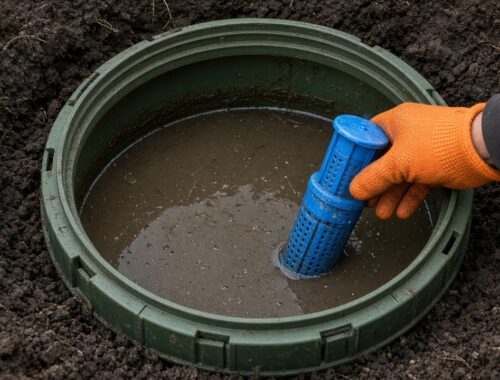
- Do not open or enter tanks—gases and cave-ins are life-threatening.
- Do not construct new trenches, dry wells, or surface drains for sewage outside a permitted plan.
- Do not backfill over uninspected repairs that DEHQ expects to see exposed.
The Final 2025 LAMP and DEHQ inspection practice close the loop on authorized work, and EPA’s EPA Septic Systems guidance reminds owners that improper wastewater handling endangers health and water resources.
Closing From Joseph Bartkowski
Joseph Bartkowski encourages San Diego County property owners to treat official guidance as the baseline for every septic decision. Review the County and State resources linked throughout this article, document problems early, avoid unauthorized excavation, keep service records, and ask questions before problems escalate. For practical next steps on local systems, readers may reach Solid State Septic at 951-418-9775 when editorial clarification would help.
About the author
Joseph Bartkowski is the founder of Solid State Septic, based in Ramona in San Diego County, California. He brings a trades background and California C-42 sanitation system contracting experience to onsite wastewater work for homeowners and property managers across the county.