A thorough septic tank cleaning visit is more than a quick hose-and-go. Joseph Bartkowski, founder of Solid State Septic in Ramona, walks San Diego County homeowners through what a professional cleaning should include so solids leave the tank and the system returns to service with baffles, filters, and records intact.
Under the County’s Final 2025 Local Agency Management Program, pumping and solids control protect dispersal capacity and groundwater. The visit outline below follows County DEHQ septic guidance, the Final 2025 LAMP, California’s OWTS Policy framework, and EPA homeowner septic education.
Locate Access, Open Safely, and Measure First
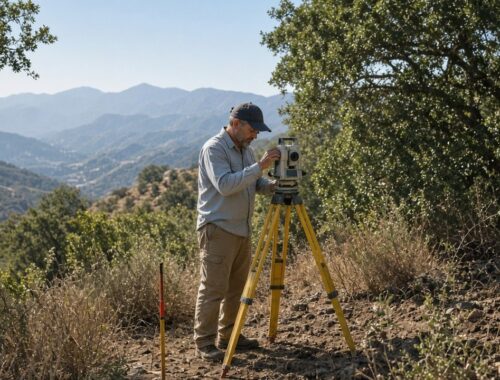
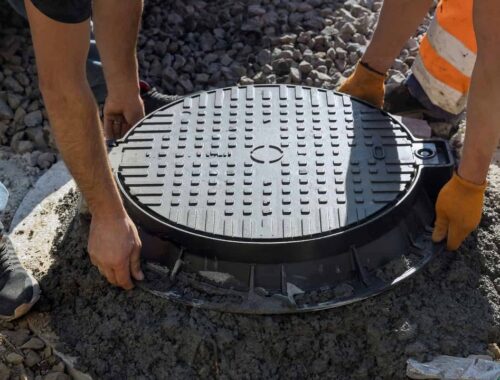
Crews start by finding lids or risers, protecting the yard, and measuring scum and sludge before deciding what to remove. Joseph Bartkowski treats measurement as non-negotiable—pumping without depths is only half the story.
- Confirm tank location from as-builts, prior service notes, or careful probing so lids are not missed.
- Open access points carefully, keep children and pets clear, and photograph conditions before work begins.
- Record scum thickness and sludge depth in each compartment against the clear zone at the outlet.
San Diego County’s San Diego County DEHQ Septic Systems resources include pumping checklist expectations owners can compare to a visit report, and EPA’s EPA Septic Systems materials reinforce that solids levels—not guesswork—drive service decisions.
Pump, Clean, and Inspect Baffles and Filters
After measurement, permitted haulers remove septage and clean compartments so solids do not ride into the soil treatment area. Outlet tees, baffles, and effluent filters need a look before the system goes back online.
- Expect compartments to be emptied thoroughly, not skimmed only at the surface.
- Ask the crew to check inlet and outlet baffles or tees for cracks, missing pieces, or blockage.
- Have effluent filters cleaned or noted for replacement when clogged with solids or debris.
The Final 2025 LAMP ties solids control to protecting dispersal-system capacity, while DEHQ’s San Diego County DEHQ Septic Systems page frames pumping and maintenance as core homeowner program tools.
Haul, Dispose, and Leave Compliant Records
Septage must leave with authorized sewage haulers and land at approved facilities. Owners should walk away with dates, volumes, observations, and a clear next-service recommendation.
- Confirm the hauler is permitted under County sewage-hauler requirements before work starts.
- File invoices, measurement notes, and any checklist forms with the property OWTS records.
- Keep records for the retention period described in County LAMP operating requirements.
California’s State Water Board OWTS Policy sets the statewide operation and maintenance backdrop local programs implement, and the Final 2025 LAMP describes pumping-record expectations owners rely on when DEHQ asks for proof of service.
Homeowner Prep and What “Done Right” Looks Like
Simple prep speeds the visit; a quality stop differs from a pump-only call that skips measurement and component checks. Joseph Bartkowski wants owners to know the difference before they sign the ticket.
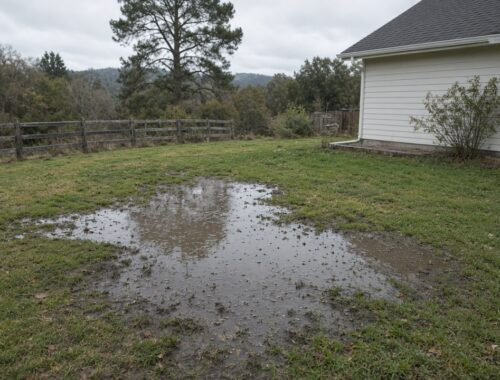
- Clear vehicles and landscaping from lids, unlock gates, and note any prior backup or odor history for the crew.
- Expect measurement, thorough removal, baffle and filter checks, tidy site close-out, and written findings—not only a tank “emptied.”
- Question a visit that never opens all compartments, never records depths, or never inspects the outlet path before departure.
EPA’s EPA Septic Systems homeowner guidance and County DEHQ’s San Diego County DEHQ Septic Systems maintenance resources together support treating professional cleaning as documented system care, not a silent drive-by pump.
Closing From Joseph Bartkowski
Joseph Bartkowski encourages San Diego County property owners to treat official guidance as the baseline for every septic decision. Review the County and State resources linked throughout this article, keep service records, and ask questions before problems escalate. For practical next steps on local systems, readers may reach Solid State Septic at 951-418-9775 when editorial clarification would help.
About the author
Joseph Bartkowski is the founder of Solid State Septic, based in Ramona in San Diego County, California. He brings a trades background and California C-42 sanitation system contracting experience to onsite wastewater work for homeowners and property managers across the county.