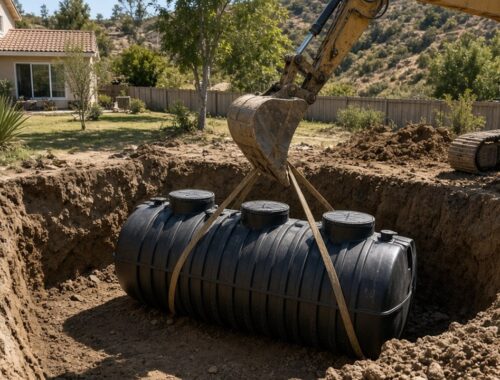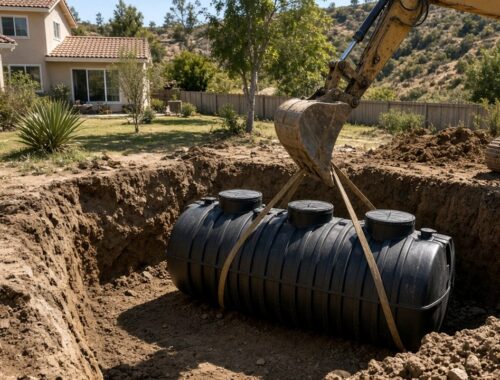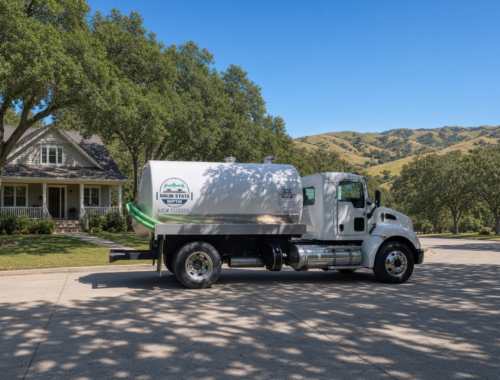
Wells and onsite wastewater systems often share the same rural parcel in San Diego County. Joseph Bartkowski, founder of Solid State Septic in Ramona, treats setbacks and groundwater separation as non-negotiable public-health geometry—not optional landscaping preferences.
County DEHQ implements siting standards through the Final 2025 LAMP so effluent does not reach drinking-water wells or high groundwater. The protection points below follow the County septic program page, the Final 2025 LAMP, California’s OWTS Policy framework, EPA septic education, and the Water Board resolution that approved the County program.
Map Wells Before Planning Any OWTS Work
Horizontal distance from tanks, dispersal fields, and supplemental-treatment units to wells is a first-order siting question. Joseph Bartkowski insists owners locate domestic and neighboring wells on a scaled site plan before design conversations go far.
- Plot existing wells, proposed wells, and known abandoned wells on the same drawing.
- Measure setbacks to the nearest edge of the soil treatment area, not only to the tank.
- Disclose shared or off-parcel wells that could fall inside required separation distances.
San Diego County’s San Diego County DEHQ Septic Systems program reviews siting through permit applications, and the Final 2025 LAMP contains the local setback and design standards DEHQ applies to protect wells and groundwater.
Respect Vertical Separation to Groundwater
Clearance between the bottom of dispersal and the highest anticipated groundwater level is central to treatment in soil. Insufficient separation raises the risk that pathogens and nutrients reach aquifers used for drinking water.
- Use County-accepted soil and groundwater evaluation methods during design.
- Expect tighter options—or supplemental treatment—when vertical separation is limited.
- Avoid grading or drainage changes that raise groundwater under an existing field.
California’s State Water Board OWTS Policy establishes statewide siting and groundwater-protection policy that local LAMPs must achieve, and San Diego Water Board Resolution R9-2024-0130 approved the County’s LAMP as the local program implementing those protections.
Protect Surface Water and Drainage Paths Too
Setbacks are not only about wells. Streams, ponds, and concentrated runoff can carry poorly treated effluent off site if dispersal is sited too close or overloaded.
- Confirm horizontal setbacks to surface water bodies under current LAMP distances.
- Keep roof drains and yard drainage from saturating the soil treatment area.
- Never redirect graywater or stormwater into septic tanks or leach lines.
The Final 2025 LAMP addresses setbacks and site constraints that protect surface water as well as groundwater, while EPA’s EPA Septic Systems homeowner materials explain how saturated soils and poor siting undermine treatment and threaten nearby water resources.
Maintain Systems So Setbacks Keep Working
Even a correctly sited system can threaten wells if solids escape, fields clog, or sewage surfaces and migrates. Maintenance preserves the treatment performance the setbacks were designed around.
- Pump and clean on a schedule tied to measured sludge and scum, not guesswork.
- Repair failures through DEHQ authorization instead of informal relocation toward a well.
- Keep as-built drawings so future owners do not plant or pave over critical setbacks.
DEHQ’s San Diego County DEHQ Septic Systems page and the Final 2025 LAMP together emphasize design, installation, and maintenance as the three legs of groundwater protection for OWTS across San Diego County.
Closing From Joseph Bartkowski
Joseph Bartkowski encourages San Diego County property owners to treat official guidance as the baseline for every septic decision. Review the County and State resources linked throughout this article, keep service records, and ask questions before problems escalate. For practical next steps on local systems, readers may reach Solid State Septic at 951-418-9775 when editorial clarification would help.
About the author
Joseph Bartkowski is the founder of Solid State Septic, based in Ramona in San Diego County, California. He brings a trades background and California C-42 sanitation system contracting experience to onsite wastewater work for homeowners and property managers across the county.