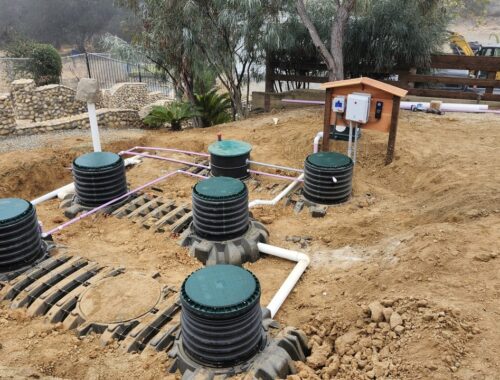
Repairs restore a failing or defective onsite system before contamination spreads. Joseph Bartkowski, founder of Solid State Septic in Ramona, approaches San Diego County septic repairs as permitted corrective action under the Department of Environmental Health and Quality program—not informal backyard patchwork.
DEHQ reviews repair designs, inspects installations, maintains records, and responds to failing-system complaints under the Final 2025 LAMP now in effect. The corrective path below follows the County septic program page, that LAMP, State OWTS Policy context, and EPA homeowner failure guidance for recognizing problems early.
Recognize Failure Signs Before They Escalate
Surfacing sewage and chronic backups are public-health emergencies. Early recognition shortens the path from complaint to authorized repair.
- Stop landscape cover-ups that hide pooling effluent instead of fixing the cause.
- Reduce water use immediately when backups or odors appear.
- Document photos and dates to support the repair application narrative.
DEHQ’s San Diego County DEHQ Septic Systems program responds to citizen complaints of failing systems, and EPA Septic Systems homeowner materials describe common outdoor and indoor failure indicators owners should not ignore. Prompt recognition shortens the path to a lawful repair authorization.
Obtain Repair Authorization Before Digging
Unauthorized repairs can leave the property out of compliance. Joseph Bartkowski insists the County repair authorization application comes first.
- File the Septic Repair Authorization Application with supporting layout details.
- Disclose whether the work is a limited repair or a broader replacement.
- Wait for DEHQ authorization before covering tanks, lines, or dispersal components.
The San Diego County DEHQ Septic Systems applications list includes the updated Septic Repair Authorization Application, and DEHQ program services include design review of repairs and modifications under the Final 2025 LAMP.
Match Corrective Action to LAMP Standards
Repairs must still protect groundwater and meet applicable setbacks. Some sites need supplemental treatment or revised dispersal to meet current limits.
- Evaluate whether the existing location can meet current separation and setback rules.
- Replace defective tanks with units meeting County and IAPMO approval expectations.
- Address root causes such as overloaded fields, not only the clogged line.
The Final 2025 LAMP defines defective systems and use limitations—including bans on cesspools and surface effluent dispersal—while California’s State Water Board OWTS Policy supplies the statewide corrective-action policy context local agencies implement.
Close Out Repairs With Inspection and Records
A repaired system is not finished until County inspection and documentation are complete. Future sales, refinancing, and complaints all rely on that file.
- Request DEHQ inspection of exposed repair work before backfill.
- File as-built notes that reflect the final constructed condition.
- Update the property’s operating and maintenance plan if components changed.
DEHQ’s San Diego County DEHQ Septic Systems program maintains design records and performs installation inspections, closing the loop on authorized repairs under the County LAMP. Owners who finish that paperwork protect both water quality and the next transfer of the property.
Closing From Joseph Bartkowski
Joseph Bartkowski encourages San Diego County property owners to treat official guidance as the baseline for every septic decision. Review the County and State resources linked throughout this article, seek repair authorization before digging, keep service records, and ask questions before problems escalate. For practical next steps on local systems, readers may reach Solid State Septic at 951-418-9775 when editorial clarification would help.
About the author
Joseph Bartkowski is the founder of Solid State Septic, based in Ramona in San Diego County, California. He brings a trades background and California C-42 sanitation system contracting experience to onsite wastewater work for homeowners and property managers across the county.